
The Human Cost of the Francis Scott Key Bridge Collapse: A Mother’s Heartbreaking Fight Against Deportation
The collapse of the Francis Scott Key Bridge in Baltimore back in 2024 was more than just an infrastructure disaster; it was a human tragedy that left families shattered. While the world watched the cargo ship strike the bridge, the aftermath has evolved into a complex legal battle for the survivors, highlighting the volatile nature of U.S. immigration policy.
A Life Interrupted by Tragedy
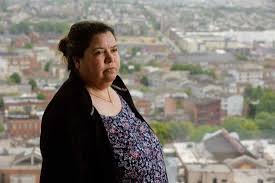
For Zoila Guerra Sandoval, the disaster is a daily heartache. Her co-parent and friend, José Mynor López, was one of the six construction workers who lost their lives that fateful night. He was part of a road maintenance crew, working an overnight shift to repair potholes, when the bridge plummeted into the water.
The bond between Zoila and Mynor was rooted in their shared heritage from Guatemala and their love for their seven-year-old daughter, a U.S. citizen. Today, that little girl carries a heavy burden of grief, remembering her father simply as the man who “died in the water.”
The Promise of Protection
Following the Francis Scott Key Bridge disaster, the Biden administration recognized the vulnerability of the immigrant workforce involved in the tragedy. To prevent further trauma, officials encouraged the families of the victims to apply for limited immigration protections, such as “parole in place.”
This program was designed to provide temporary legal status and work permits for those facing unforeseen emergencies. For Zoila, who has lived in the U.S. for two decades without a criminal record, it felt like a lifeline. She stepped out of the shadows, providing the government with her fingerprints and personal data, trusting that the promise of stability would be kept.
A Shift in Policy, A New Nightmare
However, with the transition to the Trump administration, the landscape of immigration enforcement has shifted drastically. The current priority is mass deportation, and the protections once offered to the victims’ families are being systematically dismantled.
The Bureaucratic Maze
Zoila’s experience reveals a chaotic and often contradictory immigration bureaucracy:
- n
- Denied Relief: After months of delays, Zoila received a notification that her parole application was denied.
- Lack of Communication: She was informed she was already in “removal proceedings,” despite never receiving a formal notice to appear in court.
- Legal Limbo: Her lawyer, Rachel Girod, had to physically visit the Baltimore Immigration Court just to discover that deportation proceedings had been initiated.
The Stakes: A Child’s Future
The tragedy of the Francis Scott Key Bridge is now compounding. The fear is no longer just about the loss of a father, but the potential loss of a mother. Immigration advocates, including organizations like USCIS (U.S. Citizenship and Immigration Services), are often at the center of these disputes, but for the families on the ground, the result is sheer instability.
As Zoila prepares for her initial hearing in July, she faces the looming risk of detention. Her story serves as a stark reminder of how political shifts can transform a promise of sanctuary into a threat of removal.
Final Reflections
The collapse of the Baltimore bridge exposed the reliance of the U.S. construction industry on immigrant labor. While the physical debris of the Francis Scott Key Bridge has been cleared, the emotional and legal wreckage remains for those left behind. For Zoila and her daughter, the fight is not just for a visa—it is for the right to keep their family together in the wake of an unimaginable loss.
To learn more about the legal aspects of immigration and current policies, you can visit official government resources or follow reports from NPR regarding the ongoing human impact of this tragedy.



