
A 107 MPH Dispute: When Law Meets the Road
What happens when a high-speed traffic stop turns into a constitutional showdown? In New Hampshire, a legal battle is unfolding that pits police authority against legislative privilege, all while highlighting a critical gap in modern law enforcement technology.
State Representative Ellen Read finds herself at the center of a storm after two Rockingham County traffic stops. The most contentious of these involves an allegation by a deputy that Read was driving at a staggering 107 mph. However, the case has evolved from a simple speeding ticket into a complex debate over legislative immunity and the necessity of police transparency.
The Missing Evidence: The Body Cam Gap
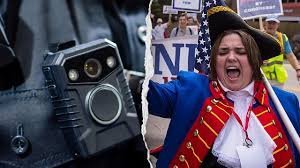
In an era where video evidence is often the deciding factor in legal disputes, this case is remarkably void of footage. Both the body-worn cameras and dashboard cameras were absent during the encounter. This lack of digital evidence has become a focal point for Rep. Read, who argues that the absence of official recordings leaves the encounter open to interpretation.
Major Christopher Bashaw of the Rockingham County Sheriff’s Office admitted that the agency lacks the funding to equip deputies with this essential technology. While the state of New Hampshire established a New Hampshire state government grant program in 2021 to help agencies purchase cameras, the funding gap remains a hurdle for local law enforcement.
Why Body Cameras Matter in a Traffic Stop:
- Accountability: Ensures both officers and citizens adhere to legal protocols.
- Evidence: Provides an objective record of speed, behavior, and dialogue.
- Conflict Resolution: Reduces “he-said, she-said” scenarios in court.
Legislative Immunity: A Shield or a Loophole?
Rep. Read is seeking to dismiss the charges by invoking a provision of the New Hampshire Constitution. This centuries-old rule was designed to protect lawmakers from being delayed while traveling to and from legislative duties. Read argues that the traffic stop violated this protection.
However, legal experts are skeptical. Lawrence Friedman, a professor at New England Law, suggests that this provision was never intended to be a “blanket immunity” for criminal acts or dangerous driving. According to Friedman, it is unlikely that a court would grant a legislator total immunity from a moving violation that would result in an arrest for any other citizen.
A Broader Trend in Law Enforcement
This local dispute mirrors a national conversation regarding transparency. Recently, the Department of Homeland Security (DHS) saw former Acting Secretary Chad Wolf discuss new guidance allowing I.C.E. agents to resume traffic stops, provided at least one agent is wearing a body camera. This shift underscores a growing consensus: the modern traffic stop requires digital oversight to ensure justice and safety.
Final Thoughts: Modernizing the Law
Rep. Read has acknowledged that the constitutional language protecting lawmakers is outdated, noting it was written long before the invention of the automobile. As the legal system grapples with these ancient laws in a high-speed world, the case serves as a reminder that technology—like body cams—is no longer a luxury, but a necessity for the fair administration of justice.



