
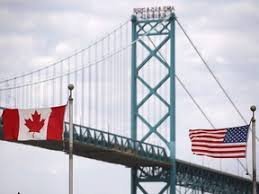
The Gordie Howe Bridge Dispute: Navigating the Challenges of a Mega-Project
The construction of the Gordie Howe International Bridge is more than just an engineering feat; it is a critical artery for trade and travel between Canada and the United States. However, as with any project of this magnitude, the road to completion has been paved with contention. The Gordie Howe Bridge dispute encompasses a variety of legal, financial, and social frictions that highlight the complexity of cross-border infrastructure.
What is the Gordie Howe International Bridge?
Connecting Windsor, Ontario, with Detroit, Michigan, the Gordie Howe International Bridge is designed to alleviate the heavy reliance on the aging Ambassador Bridge. Once completed, it will be the longest cable-stayed bridge in North America, providing a streamlined corridor for the thousands of trucks and commuters who cross the border daily.
While the benefits of increased efficiency are clear, the project has not been without its share of controversy. From land acquisition battles to environmental concerns, the dispute has evolved into a multifaceted political issue.
The Core of the Dispute: Land, Law, and Logistics
The friction surrounding the project generally falls into three primary categories:
- Land Expropriation and Rights: One of the most heated aspects of the Gordie Howe Bridge dispute involves the acquisition of land. Local residents and business owners in Windsor have faced legal battles over expropriation, with many arguing that the compensation offered was insufficient or that the disruption to their livelihoods was undervalued.
- Cost Escalations: Infrastructure projects of this scale rarely stay on budget. Critics have pointed to the rising costs of construction and the financial burden placed on taxpayers in both nations, sparking debates over the project’s long-term economic viability.
- Environmental Impact: Environmental advocacy groups have raised concerns regarding the impact on local ecosystems and the displacement of wildlife in the border region, leading to prolonged environmental assessments and legal challenges.
Why the Gordie Howe Bridge is Vital Despite the Friction
Despite the ongoing disputes, the necessity of the bridge remains undisputed by economic experts. The current reliance on a privately owned bridge creates a strategic vulnerability for the Canada-US trade relationship. A public-sector-led project ensures greater stability and security for the supply chains that fuel the automotive industry and other key sectors.
By modernizing the border crossing, the project aims to:
- Reduce congestion and wait times for commercial transport.
- Enhance national security through updated customs facilities.
- Promote regional economic growth in both Windsor and Detroit.
Looking Toward the Future: Resolution and Completion
Solving the Gordie Howe Bridge dispute requires a delicate balance of diplomatic negotiation and community engagement. As the project nears its final phases, the focus has shifted toward ensuring that the integration of the bridge into the local road network is seamless and that the promises of economic revitalization are kept.
For more detailed updates on the construction progress and official timelines, you can visit the official Gordie Howe International Bridge website.
Final Thoughts
The Gordie Howe Bridge dispute serves as a case study in the challenges of modern infrastructure. While the clashes over land and cost are significant, the overarching goal—a more connected and efficient border—outweighs the friction. As the bridge finally rises, it stands as a symbol of cooperation and progress between two of the world’s largest trading partners.



