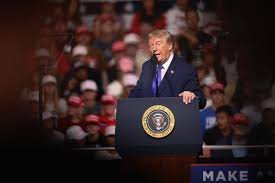
The Future of Israeli Elections: Can Benjamin Netanyahu Maintain His Grip on Power?
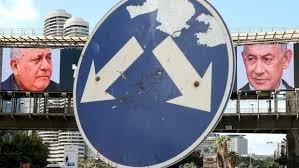
The Future of Israeli Elections: Can Benjamin Netanyahu Maintain His Grip on Power?
The landscape of Israeli elections has become one of the most volatile and scrutinized political arenas in the world. At the center of this storm is Benjamin Netanyahu, a figure whose political longevity is as impressive as it is controversial. As the nation grapples with internal divisions and external threats, the question remains: can the long-serving Prime Minister continue to lead, or is the tide finally turning?
The Netanyahu Legacy: A Tightrope Walk
Benjamin Netanyahu, leading the Likud party, has mastered the art of coalition building. However, his path to victory in recent cycles has been fraught with challenges. From judicial reform disputes to security crises, the internal friction within Israel has made the formation of a stable government nearly impossible.
To understand the current climate, one must look at the core issues driving voter behavior:
- n
- Judicial Reforms: The attempt to limit the power of the Supreme Court has polarized the electorate, sparking massive protests.
- Security Concerns: The ongoing conflict and the need for regional stability remain top priorities for the average voter.
- Legal Battles: Netanyahu’s own legal challenges have cast a shadow over his leadership, leading many to question the stability of his administration.
The Stakes of the Next Israeli Elections
The next round of Israeli elections will not just be a vote for a leader, but a referendum on the direction of the state. The clash between the traditionalist democratic values and a more nationalist, religious-right agenda is reaching a breaking point.
Political analysts suggest that the outcome will depend heavily on the ability of the opposition to unite. Historically, a fragmented opposition has been Netanyahu’s greatest advantage. If a cohesive alternative emerges, the political map of Israel could shift dramatically.
What to Watch For
As the political temperature rises, keep an eye on these key indicators:
- Coalition Shifts: Watch for sudden alliances between smaller parties that could tilt the balance of power.
- Public Sentiment: Polling data regarding the perceived security of the country often correlates with support for Netanyahu.
- International Pressure: The influence of global allies, particularly the United States, can play a subtle but significant role in domestic political narratives.
Conclusion: A Nation at a Crossroads
Whether Benjamin Netanyahu secures another term or the Israeli public opts for a change in leadership, the impact will be felt far beyond the borders of the Middle East. The stability of the region depends heavily on the internal cohesion of the Israeli government.
For those following the latest updates on global governance and diplomacy, staying informed via high-authority sources like BBC News or Reuters is essential to grasp the nuances of this complex political drama.
📰 You May Also Like