
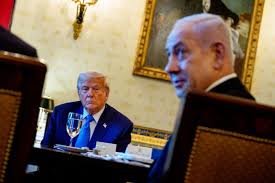
The Fragile Alliance: Benjamin Netanyahu and Donald Trump’s Strained Diplomacy
For years, the diplomatic dance between Israeli Prime Minister Benjamin Netanyahu and US President Donald Trump was a masterclass in choreographed unity. Red carpets, firm handshakes, and a shared narrative of an unbreakable Israel-US bond defined their public appearances. However, recent developments suggest that the once-seamless synergy has evolved into a complex web of tension and strategic divergence.
A Shift in Synergy: From Public Praise to Private Friction
Netanyahu’s seventh visit to Washington since Trump’s return to power marks a critical turning point. While previous visits were celebrations of alliance, this trip is a mission of stabilization. The effusive praise that characterized the early stages of the conflict with Iran has been replaced by a more volatile dynamic.
Despite the public facade of a “strong relationship,” insiders reveal a different story. While the CNN reports highlight the administration’s claim that Israel has “no greater friend,” the reality behind closed doors involves expletive-laden outbursts and deep frustrations over the trajectory of the war.
The Iran Divide: Exit Strategy vs. Persistent Pressure
The core of the friction lies in the objective of the military campaign against Iran. In February, the two leaders were perfectly aligned, launching a joint effort that showcased unprecedented military coordination. However, as the conflict reached a deadly stalemate, a clear gap emerged:
- n
- Benjamin Netanyahu’s Stance: A belief in continuing the pressure to ensure the total neutralization of the Iranian regime’s capabilities.
- Donald Trump’s Stance: A growing desire for an “exit strategy,” fueled by frustration that the regime did not fold as quickly as predicted.
Netanyahu now seeks to present fresh intelligence on Iran’s nuclear rebuilding, hoping to convince Trump that diplomatic concessions would be a strategic error. Yet, with the US elections looming in November, Trump appears hesitant to re-engage in a full-scale fight.
Beyond Iran: Lebanon and the Global Arms Race
The tension extends far beyond Tehran. Lebanon has become a significant point of contention. Trump has reportedly expressed frustration over the bombing campaigns in Lebanon, suggesting that the prolonged conflict has eroded international support for Israel.
Furthermore, two strategic issues have emerged as major red flags for the Israeli government:
- The F-35 Dilemma: Trump’s potential plan to sell advanced stealth fighter jets to Turkey, which Israel fears could undermine its qualitative military edge in the region.
- The Saudi Nuclear Deal: A US-Saudi civil nuclear agreement that could potentially trigger a regional nuclear arms race, unless tied strictly to the expansion of the Abraham Accords.
High Stakes: The October Elections
For Benjamin Netanyahu, this visit is as much about domestic survival as it is about foreign policy. With national elections approaching in October and polls showing him short of a majority, Trump remains one of his most potent political assets. Demonstrating continued influence in Washington is essential for Netanyahu to secure his political future.
While Netanyahu dismisses these frictions as “tactical disagreements,” the absence of a public photo opportunity at their latest meeting speaks volumes. Whether this discretion hides a new secret campaign against Iran or a deepening rift remains to be seen.



