
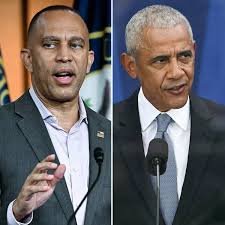
A Historic Milestone in American Politics
The election of Barack Obama in 2008 marked a watershed moment in United States history. As the first African American to hold the office of the presidency, Obama did more than just break a racial barrier; he brought a new vision of hope and change to a nation grappling with economic instability and foreign conflict.
His presidency was defined by a commitment to progressive ideals, intellectual rigor, and a unique oratorical style that resonated with millions of people worldwide. To understand the current political landscape of the US, one must first analyze the pillars of the Obama administration.
Key Achievements and Domestic Policy
During his two terms in office, Barack Obama focused on stabilizing the economy and expanding social protections. Among his most significant accomplishments were:
- n
- The Affordable Care Act (ACA): Often referred to as “Obamacare,” this landmark legislation aimed to increase health insurance coverage for millions of uninsured Americans and reduce the overall cost of healthcare.
- The American Recovery and Reinvestment Act: A critical response to the 2008 financial crisis, this stimulus package helped prevent a total economic collapse and fostered job growth.
- Environmental Leadership: Obama played a pivotal role in the Paris Agreement, signaling a global shift toward combating climate change and reducing carbon emissions.
Global Diplomacy and National Security
On the international stage, Barack Obama sought to pivot American foreign policy toward multilateralism and diplomacy. His administration is remembered for several high-stakes operations and agreements:
The successful operation that led to the neutralization of Osama bin Laden in 2011 remains one of the most significant intelligence triumphs in US history. Furthermore, his efforts to normalize relations with Cuba and the negotiation of the Iran Nuclear Deal demonstrated a preference for dialogue over direct military intervention.
The Lasting Influence of His Leadership
Beyond the laws and treaties, Barack Obama’s legacy lies in his role as a symbol of possibility. His ability to navigate a deeply polarized Congress while maintaining a high level of public trust highlighted the complexities of modern governance.
Today, historians and political analysts continue to debate the long-term effects of his policies. However, it is undeniable that his tenure shifted the discourse on civil rights, healthcare, and global responsibility. For a deeper dive into the historical context of his presidency, the Encyclopædia Britannica provides an extensive overview of his life and career.
Conclusion
Barack Obama’s journey from a community organizer in Chicago to the Oval Office is a testament to the American dream. His legacy continues to inspire a new generation of leaders to strive for a more inclusive and equitable society.



