
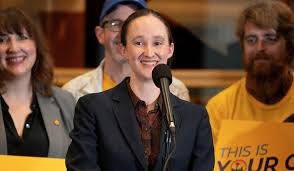
The Evolution of Urban Leadership: Beyond the City Hall
In an era of rapid urbanization and complex social challenges, the role of a mayor has evolved from a mere administrative position to that of a visionary CEO of a city. Running a municipality is no longer just about fixing potholes or managing waste; it is about navigating the intersection of technology, sustainability, and social equity.
But what separates a mediocre administration from a transformative one? The answer lies in the ability to balance immediate civic needs with long-term strategic planning.
Core Responsibilities of a Modern Mayor
To understand the impact of a mayor, we must look at the pillars of municipal governance. A successful leader must excel in several key areas:
- n
- Fiscal Management: Balancing the city budget while ensuring that essential services remain funded and efficient.
- Public Safety and Health: Implementing policies that ensure citizens feel safe and have access to quality healthcare and emergency services.
- Infrastructure and Urban Planning: Overseeing the transition to smart city technologies and sustainable transport systems.
- Community Engagement: Acting as a bridge between the government and the diverse populations that make up the city’s fabric.
The Traits of an Effective City Leader
While technical knowledge is important, the “soft skills” of a mayor often determine their legacy. The most impactful mayors share three common characteristics:
1. Radical Empathy
A great mayor doesn’t just govern from an office; they walk the streets. Understanding the daily struggles of marginalized communities allows for the creation of policies that actually work for everyone, not just the elite.
2. Decisiveness Under Pressure
Whether it is a natural disaster or an economic crisis, the mayor is the face of the city. The ability to make hard decisions quickly, based on data and expert advice, is crucial for maintaining public trust.
3. Strategic Communication
In the age of social media, transparency is non-negotiable. Effective mayors use digital tools to keep citizens informed, gather feedback in real-time, and build a narrative of progress and hope.
Facing 21st Century Challenges
Today’s urban leaders are facing unprecedented hurdles. From climate change to housing shortages, the stakes have never been higher. According to the National League of Cities, the integration of sustainable practices is no longer optional—it is a necessity for survival.
The mayors who will succeed in the coming decade are those who can implement Green Urbanism, reducing carbon footprints while improving the quality of life for their residents.
Final Thoughts: The Local Impact
While national politics often dominate the headlines, the office of the mayor is where the most tangible changes happen. From the quality of the air we breathe to the safety of the parks where our children play, local leadership is the most direct link between government policy and human well-being.
Are you interested in how your local government is evolving? Stay tuned for more insights on urban development and political leadership.



