
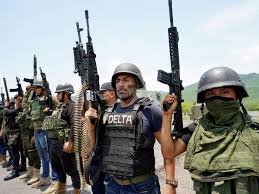
The Bloody Cycle of the ‘Kingpin Strategy’: Why Arresting Drug Cartel Leaders Isn’t Enough
For decades, the fight against the drug cartel in Mexico has followed a predictable, yet devastating, pattern. The approach is simple on paper: identify the top leadership, arrest or eliminate them, and watch the organization crumble. This is known as the “kingpin strategy.” However, for the citizens living in the crossfire, this strategy often feels less like a solution and more like a catalyst for chaos.
The Domino Effect: From Arrests to Anarchy
The arrest of Ismael “El Mayo” Zambada, co-founder of the notorious Sinaloa Cartel, was hailed by U.S. authorities as a “direct strike.” But on the ground in Culiacán, the reality was far different. According to activists like Maria Isabel Cruz from the collective Sabuesos Guerreras, the removal of a top leader didn’t bring peace—it triggered a power vacuum.
When a drug cartel loses its head, the body doesn’t die; it fragments. These fragments then engage in brutal internal wars to seize control, leading to a surge in:
- n
- Homicides: In Sinaloa, deaths spiked from 44 in August 2024 to 142 in September of the same year.
- Disappearances: Estimates suggest over 5,800 people have vanished since July 2024.
- Femicides: Violence against women increased by a staggering 135% in certain regions.
Political Pressure vs. Human Reality
Current Mexican President Claudia Sheinbaum finds herself in a precarious position. While the internal toll rises, external pressure from the United States remains relentless. Former U.S. President Donald Trump has frequently threatened military intervention and steep tariffs if Mexico fails to “eradicate” these criminal networks.
To appease these demands, Sheinbaum has extradited nearly 100 suspected members and authorized high-profile operations, including the killing of Nemesio “El Mencho” Oseguera Cervantes. Yet, security experts like Bernardo Leon Olea argue that these moves are often performative. By focusing on the leaders, the government ignores the roots of the problem: corruption, extortion, and the enduring demand for illicit drugs.
The Gendered Cost of Cartel Warfare
The fragmentation of a drug cartel creates smaller, more desperate factions. These groups often diversify their crimes to survive, leading to a rise in human trafficking and sexual exploitation. Sonia Frias, a researcher at the National Autonomous University of Mexico (UNAM), notes that femicides are frequently used as a tool of territorial control.
“Women are often seen as bodies without value, disposable… used to train members of the organization or to send messages to rival groups,” Frias explains.
Is There a Better Way?
Economists and security specialists suggest that the “war on drugs” will never be won through military force alone. To truly dismantle a drug cartel, Mexico and the U.S. must address the systemic issues:
- Social Investment: Providing education and economic opportunities in vulnerable areas to prevent cartel recruitment.
- Local Empowerment: Strengthening municipal police forces rather than relying solely on the National Guard or Army.
- Addressing Demand: Recognizing that the U.S. is the world’s largest consumer of illicit drugs, fueling a multi-billion dollar market that makes criminal operations inevitable.
As long as the market remains lucrative and the strategy remains focused on “decapitating” leadership without treating the disease, the ordinary people of Mexico will continue to pay the ultimate price.
For more in-depth analysis on global security and human rights, visit Al Jazeera English.



