
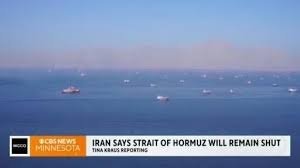
Tensions in the Strait of Hormuz: Could a Conflict With Iran Trigger a Global Crisis?
The Strait of Hormuz has long been one of the most volatile geopolitical flashpoints in the world. As a narrow waterway connecting the Persian Gulf with the Gulf of Oman, it serves as the primary artery for the world’s oil supply. With tensions rising, the possibility of an Iran war scenario involving the closure of this strait is a concern for global leaders and economists alike.
Why the Strait of Hormuz is a Global Choke Point
To understand the gravity of a potential conflict, one must first understand the strategic importance of this maritime passage. The Strait of Hormuz is not just a geographical feature; it is a critical economic pillar.
- Oil Volume: Approximately one-fifth of the world’s total liquid petroleum consumption passes through the strait daily.
- Global Trade: It is the primary route for liquefied natural gas (LNG) exports from Qatar.
- Strategic Leverage: For Iran, the ability to disrupt this traffic provides significant leverage in international diplomatic negotiations.
The Risk of War: Geopolitical Stakes
The prospect of an Iran war centered around the Strait of Hormuz is often linked to broader regional tensions. Whether it is disputes over nuclear capabilities or proxy conflicts in the Middle East, the strait is frequently used as a tool for signaling strength.
If military hostilities were to break out, the immediate result would likely be a spike in maritime insurance rates and a significant disruption in shipping lanes. According to reports from Reuters, any perceived instability in the region leads to immediate volatility in the energy sector.
Economic Fallout: The Ripple Effect on Canada and the World
A conflict in the Strait of Hormuz would not be confined to the Middle East. The economic shockwaves would be felt globally, including in Canada. Because oil is a globally traded commodity, a supply disruption in the Hormuz region would lead to:
- Surging Energy Prices: A dramatic increase in the cost of gasoline and heating oil.
- Inflationary Pressure: Higher transportation costs leading to more expensive consumer goods.
- Market Volatility: Significant fluctuations in global stock markets as investors flee to “safe-haven” assets.
Organizations like the International Energy Agency (IEA) emphasize that diversifying energy sources is the only long-term way to mitigate the risks associated with such strategic choke points.
Conclusion: The Path to Stability
While the threat of a war in the Strait of Hormuz remains a persistent risk, diplomacy continues to be the most effective tool for preventing a global catastrophe. The intersection of national security and global economic stability makes the peace in the Persian Gulf essential for the prosperity of the modern world.
Stay tuned for more updates on geopolitical trends and their impact on the global economy.



