
A Strategic Shift in Seoul: Understanding the Reduction of US-South Korea Military Drills
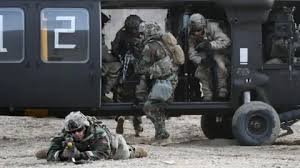
The geopolitical landscape in East Asia is shifting once again. In a surprising move, the South Korean defense ministry has announced that the annual joint military exercises with the United States will be significantly shortened. The Ulchi Freedom Shield exercise, a cornerstone of the security alliance between the two nations, will now be cut short by six days at the request of Washington.
Originally scheduled to conclude on August 27, the drills will now end on August 21. This adjustment in both duration and scale marks a pivotal moment in the diplomatic relations between Seoul, Washington, and Pyongyang.
The Trump Factor: Diplomacy Over Deterrence?
The decision to curtail the exercises stems from a proposal by the US administration under Donald Trump. The US President has been vocal about his desire to maintain a positive relationship with North Korean leader Kim Jong Un, suggesting that large-scale military maneuvers can be perceived as hostile.
According to reports, Trump has cited several reasons for this strategic pivot:
- n
- Financial Costs: Trump argued on Truth Social that these exercises are excessively costly, with a disproportionate amount of funding provided by the United States.
- Diplomatic Signaling: He described the drills as sending a “totally inappropriate and hostile” signal to North Korea.
- The Iran Link: In a surprising turn of events, the President explicitly linked the reduction of military support to South Korea’s refusal to assist in the denuclearization efforts regarding the Islamic Republic of Iran.
Geopolitical Implications and Regional Security
While the scale of the drills is being reduced, the stakes remain incredibly high. Approximately 28,500 American military personnel remain stationed in South Korea to provide a security umbrella against potential aggression. The 2026 exercises were expected to involve about 18,000 South Korean soldiers, though the exact details of the current reductions are still being negotiated.
This shift comes at a delicate time. North Korea’s foreign ministry has already condemned the joint drills, labeling them a “rehearsal for an aggressive war.” Furthermore, the global community is closely watching North Korea’s military involvement in Russia’s conflict against Ukraine, a threat that US military spokesperson Ryan Donald insists is being accounted for in current training scenarios.
What’s Next for the Peninsula?
All eyes are now on the potential for a high-profile summit. Sources suggest that President Trump is pushing for an in-person meeting with Kim Jong Un, possibly during the Asia-Pacific Economic Cooperation (APEC) summit in China this November.
Whether this reduction in military presence in Seoul will lead to a lasting peace or create a security vacuum remains to be seen. For now, the alliance continues to navigate the thin line between military readiness and diplomatic engagement.



