
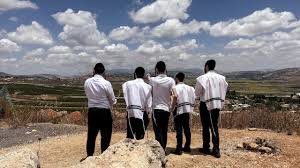
Syria: Navigating the Complexities of History, Conflict, and Hope
Syria, a land often depicted in modern headlines through the lens of conflict, is a nation of profound depth, ancient heritage, and strategic importance. Located at the crossroads of Asia, Africa, and Europe, Syria has been a cradle of civilization for millennia. Understanding the current state of Syria requires a journey through its rich past and an analysis of the geopolitical forces shaping its present.
A Legacy of Ancient Civilization
Long before the modern borders were drawn, Syria was home to some of the world’s oldest continuously inhabited cities. Damascus and Aleppo stand as testaments to a time when the region was a hub for trade, art, and philosophy. From the Arameans and Assyrians to the Roman and Byzantine empires, the soil of Syria is layered with history.
- n
- Damascus: Often cited as the oldest capital city in the world, blending spiritual depth with vibrant markets.
- Palmyra: An ancient oasis city that once served as a vital link between the Persian Gulf and the Mediterranean.
- Cultural Synthesis: A historic melting pot where various religions and ethnicities coexisted for centuries.
The Modern Conflict and Geopolitical Tension
The contemporary era in Syria has been marked by extreme instability. The Syrian Civil War, which began in 2011, evolved from domestic protests into a complex proxy war involving global superpowers and regional players. This conflict has not only reshaped the map of the country but has also triggered one of the worst humanitarian crises of the 21st century.
To understand the current political climate, one must look at the intersection of domestic governance and external influence. For detailed reports on the humanitarian situation, the United Nations provides critical data on displacement and aid efforts.
The Human Element: Resilience and the Diaspora
Beyond the politics and the warfare lies the story of the Syrian people. The resilience shown by citizens remaining in the country and those forced into exile is extraordinary. The Syrian diaspora has spread across the globe, bringing their rich culinary traditions, linguistic heritage, and professional expertise to new shores, including Canada.
The struggle for reconstruction is not just about rebuilding infrastructure, but about restoring the social fabric of a fragmented society. Efforts toward peace and reconciliation remain slow, yet the spirit of the Syrian people continues to drive a desire for a stable and prosperous future.
Looking Forward: The Path to Reconstruction
What does the future hold for Syria? The path to stability involves several critical pillars:
- Political Dialogue: Establishing a legitimate and inclusive governance structure.
- International Cooperation: Coordinated efforts to rebuild cities and provide essential services.
- Human Rights: Addressing the grievances of the past to ensure a sustainable peace.
As the world continues to monitor the situation, it is vital to view Syria not just as a zone of conflict, but as a nation with the potential to regain its status as a beacon of culture and trade in the Middle East.
For those following the latest geopolitical developments, staying informed through high-authority sources like the BBC News can provide a balanced perspective on the evolving situation in the region.



