
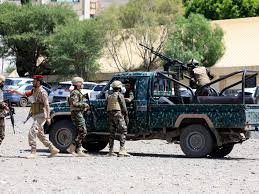
Strategic Shift in the Red Sea: Houthi Rebels Capture Mayun Island
The geopolitical landscape of the Middle East is facing a critical turning point. Recent reports indicate that heavy fighting has erupted between advancing Houthi rebels and government forces at two pivotal strongholds. In a move that has sent shockwaves through international maritime circles, Yemen’s Houthi forces have successfully seized Mayun Island, a strategic outpost located in the heart of the Red Sea.
Why Mayun Island Matters for Global Security
Mayun Island is not merely a piece of land; it is a sentinel overseeing the Bab el-Mandeb Strait. This narrow waterway is one of the world’s most vital maritime chokepoints, connecting the Red Sea to the Gulf of Aden. The seizure of this island allows the Houthi rebels to exert significant influence over the shipping lanes used by millions of barrels of oil and thousands of cargo ships daily.
The Ripple Effect: From the Red Sea to the Strait of Hormuz
While the immediate conflict is centered around Yemen, the implications extend far beyond the Red Sea. Security experts warn that instability in this region creates a dangerous ripple effect that directly impacts the Strait of Hormuz.
- n
- Increased Pressure: As the Red Sea becomes more volatile, global shipping companies may seek alternative, albeit riskier, routes.
- Oil Market Volatility: The combined instability of the Bab el-Mandeb and the Strait of Hormuz—the world’s most important oil transit point—could lead to drastic spikes in energy prices.
- Maritime Security Risks: The control of these strategic points by non-state actors increases the risk of piracy and targeted attacks on commercial vessels.
What This Means for Global Trade
The volatility in these waters threatens the stability of the global supply chain. For countries relying on these corridors for imports and exports, the Houthi advance is a stark reminder of how localized conflicts can trigger global economic disruptions. To understand the broader context of these maritime tensions, organizations like the Council on Foreign Relations provide deep insights into the geopolitical struggles of the region.
As the situation evolves, the international community remains on high alert, monitoring whether this escalation will lead to further closures or interventions in these critical waterways, potentially mirroring the tensions often seen in the Strait of Hormuz.
For real-time updates on the conflict and maritime security, follow the latest reports from Al Jazeera English.



