
The Human Cost of Political Neglect in Tuskegee
Imagine being 19 years old, bleeding from a shattered glass door, and realizing that your hometown has no general hospital or 24-hour emergency clinic. For De’Mari Benham, a student at Tuskegee University, this wasn’t a nightmare—it was reality. In a city where over 80% of the population is African American and nearly one in three people live in poverty, the local fire department often becomes a makeshift emergency room for everything from bullet wounds to severe trauma.
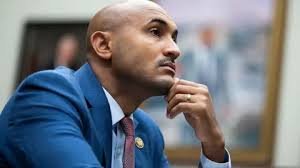
This systemic neglect is the backdrop against which Shomari Figures entered the political arena. As the first Black person in modern history to represent Tuskegee in the U.S. House of Representatives, Figures didn’t just bring a title to the city; he brought tangible resources.
Turning Promises into Progress: The Figures Effect
Within a year of his 2024 election, Shomari Figures secured $1 million in federal funding to establish a civic centre in Tuskegee. This facility is designed to be more than just an office; it will serve as a critical fallout shelter during deadly storms and house the police and fire departments that the community desperately relies on.
The impact extends beyond Tuskegee. In Eufaula, Alabama, Figures helped Medical Center Barbour secure $500,000 for a new MRI machine and over $1 million in federal tax credits. For residents like Mary Porter, a 71-year-old stroke survivor who often has to travel 50 miles for care, these improvements are a lifeline.
The Redistricting War: A Threat to Minority Voices
However, just as the community began to see the fruits of representation, the political landscape shifted. A recent U.S. Supreme Court ruling regarding the Voting Rights Act has paved the way for Republican-led states to redraw congressional maps.
This process, often referred to as gerrymandering, has led to the dissolution of majority-Black districts. Shomari Figures now finds himself defending a redrawn, white-majority seat in the upcoming midterm elections.
Two Sides of the Map: Racial Discrimination or Partisan Strategy?
- The Democratic Perspective: Figures and local leaders argue that the redistricting is purely racially motivated. They point to evidence of state legislators using derogatory terms when discussing minority-heavy cities like Montgomery.
- The Republican Perspective: Alabama Attorney General Steve Marshall and other GOP officials claim these changes are based on “race-neutral” partisan principles, arguing that the state is naturally conservative and deserves representatives who reflect those values.
A Legacy of Struggle in the Black Belt
The region Figures represents is known as the Black Belt, named for its fertile soil and the high population of African Americans who remained there after the era of slavery. This land is drenched in civil rights history—and blood. In Eufaula, the memory of an 1874 massacre of Black voters still lingers, reminding residents that the fight for the ballot is a fight for survival.
For the people of Tuskegee and Eufaula, the stakes of the November election are not just about who sits in Washington, but about whether their needs will once again be ignored. As Mayor Chris Lee puts it, “It’s very important that we have someone who has our back.”
What’s Next for Shomari Figures?
As the midterms approach, Figures faces a tough battle against a conservative opponent backed by high-profile endorsements. While the new map favors the GOP, local resilience remains high. From the pews of Butler Chapel AME Zion Church to the halls of Tuskegee University, the sentiment is clear: the community is ready to fight for its voice.
The outcome of this election will not only decide the fate of one seat but will serve as a litmus test for the power of minority representation in the modern American South.



