
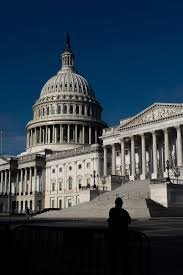
The High-Stakes Game: Understanding the Senate Government Funding Bill
In the complex world of Washington D.C., few things carry as much weight as the Senate government funding bill. When the clock ticks down toward a fiscal deadline, the eyes of the nation turn to the Senate to ensure that the wheels of government keep turning. But what exactly is at stake, and why does this process often lead to dramatic political standoffs?
At its core, a funding bill is the mechanism through which Congress allocates taxpayer money to federal agencies. Without an approved budget or a temporary extension, the government lacks the legal authority to spend money, leading to the dreaded government shutdown.
What is a Government Funding Bill?
The US government operates on a fiscal year that begins on October 1st. Ideally, Congress passes twelve separate appropriations bills to fund different sectors of the government. However, in recent years, this has become rare. Instead, the Senate often relies on two primary tools:
- n
- Continuing Resolutions (CR): These are short-term extensions that keep the government running at current spending levels until a final agreement is reached.
- Omnibus Spending Bills: Massive packages that combine multiple appropriations bills into one giant piece of legislation to expedite the passing process.
Why the Senate’s Role is Critical
While the House of Representatives often initiates the funding process, the Senate acts as the ultimate gatekeeper. Due to the 60-vote threshold required to overcome a filibuster, most Senate government funding bills require a degree of bipartisan support. This makes the Senate the primary arena for negotiation, where policy riders—specific additions to the bill—are often debated and traded.
The Real-World Impact of a Funding Deadlock
When the Senate fails to pass a funding bill on time, the consequences are not just political; they are practical. A government shutdown can lead to:
- n
- Federal Employee Furloughs: Hundreds of thousands of workers are sent home without immediate pay.
- Service Disruptions: National parks may close, and delays in processing passports or Social Security benefits can occur.
- Economic Instability: Uncertainty in government spending can rattle financial markets and impact GDP growth.
For a detailed look at how the budget process is structured, you can visit the official Congress.gov portal to track active legislation.
What to Watch in the Coming Weeks
As the current debate over the Senate government funding bill intensifies, keep an eye on these three key factors:
- Spending Caps: Are negotiators agreeing to limit overall growth in spending?
- Policy Riders: Are there controversial amendments regarding border security or foreign aid that could derail the bill?
- Deadline Pressure: History shows that the most significant breakthroughs often happen in the final hours before a shutdown deadline.
Understanding the nuances of the funding process is essential for anyone tracking US political stability and economic trends. Whether through a strategic CR or a comprehensive Omnibus, the Senate’s ability to find common ground remains the only way to avoid operational paralysis.



