
The Strategic Crisis in the Strait of Hormuz: A Threat to Global Energy
The Strait of Hormuz is arguably the most critical chokepoint in the global energy infrastructure. Despite tentative diplomatic agreements between the US and Iran, the region remains volatile, posing a significant risk to the stability of international oil and gas supplies. The primary concern currently haunting maritime logistics is the presence of hidden sea mines and the resulting instability of shipping lanes.
The “Black Box” Effect: Why Shipping is at Risk
Currently, the Strait has become what experts describe as a “black box.” This dangerous environment is characterized by several alarming factors:
- n
- Hidden Sea Mines: Reports of undetected explosive devices make navigation a gamble.
- Dark Shipping: An increasing number of vessels are switching off their tracking systems (AIS) to avoid detection or target identification.
- Insurance Crisis: Due to the elevated risk of conflict, many maritime insurers are refusing to provide coverage for ships traversing these waters.
When visibility drops and risks soar, the cost of transporting energy increases, which can lead to price spikes in global markets. You can learn more about the strategic importance of maritime chokepoints via the U.S. Energy Information Administration (EIA).
The European Response: Germany’s Pivotal Role in Mine Clearing
To counter this instability, a European-led naval mission is being prepared to restore safe passage. The objective is clear: implement a comprehensive Strait of Hormuz mine clearing operation to guarantee that commercial shipping can operate without fear of catastrophic loss.
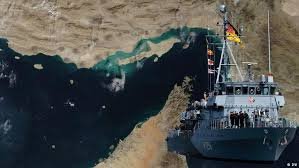
Germany is poised to take a central role in this mission. Drawing on its extensive experience in mine countermeasures (MCM) from the North and Baltic Seas, Germany is already positioning specialized ships and technology to lead the effort. Their expertise in detecting and neutralizing underwater threats is vital for transforming the “black box” back into a transparent and safe corridor.
What This Means for Global Trade
The success of this mission is not just a matter of regional politics; it is a necessity for global economic health. Safe passage through the Strait ensures that energy flows continue uninterrupted, preventing volatile fluctuations in fuel prices worldwide.
International cooperation, governed by standards set by the International Maritime Organization (IMO), will be the key to ensuring that these waters remain open and secure for all nations.
Final Thoughts
As geopolitical tensions ebb and flow, the physical safety of the sea lanes remains a priority. With Germany and its European partners stepping up, the hope is that a systematic mine-clearing operation will bring long-term stability to one of the world’s most dangerous yet essential waterways.



