
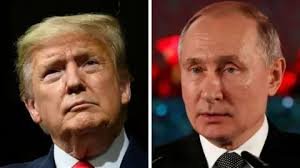
Scott Bessent’s Controversial Move: Easing Sanctions on Russian Oil
The recent decision by the Trump administration, spearheaded by Treasury Secretary Scott Bessent, to temporarily ease sanctions on countries purchasing Russian oil has ignited a firestorm of debate. While welcomed by the Kremlin, the move has raised serious concerns among pro-Ukraine campaigners and analysts, prompting questions about the West’s commitment to isolating Russia economically.
A Temporary Waiver with Far-Reaching Implications
The US waiver, effective for one month, allows countries to purchase Russian oil that was previously unable to be sold due to existing sanctions, effectively releasing oil currently ‘floating’ at sea. Bessent justified the policy as a “tailored, short-term” measure designed to mitigate the economic fallout from the US-Israel war with Iran and stabilize global energy markets. However, critics argue this decision will directly benefit Vladimir Putin and prolong the conflict in Ukraine.
Critics Sound the Alarm
Bill Browder, a prominent sanctions campaigner and vocal critic of Putin’s regime, condemned the move as “a terrible decision” that will “enrich Vladimir Putin and prolong the war in Ukraine.” This represents a significant shift in US policy, as Washington previously imposed stringent measures on countries importing Russian oil, including a 50% tariff on Indian imports in August, alleging they were financing the war. This led to a buildup of sanctioned oil on tankers off the coasts of India and other Asian nations.
Russia’s Response and Potential Economic Gains
Kirill Dmitriev, Putin’s economic envoy, hailed the move as evidence of Russia’s integral role in global energy stability, suggesting further sanctions relief is “inevitable.” While Bessent maintains Russia’s financial gains will be limited, analysts like Benjamin Hilgenstock, head of macroeconomic research at the Kyiv School of Economics, estimate a potential boost of around $10 billion per month in Russian oil exports, with half of that flowing directly into the government’s coffers.
The Strait of Hormuz Crisis and the Shifting Landscape
Economic pressure on Russia has been mounting, with February witnessing the lowest oil exports since the full-scale invasion of Ukraine in 2022. The current crisis in the Strait of Hormuz, disrupting oil supplies, has further complicated the situation. The Centre for Research on Energy and Clean Air (CREA) estimates Russia has around 50 million barrels of oil at sea ready for sale under the waiver, potentially easing production constraints. However, experts like Warren Patterson from ING bank believe the US move will “only scratch the surface” of the supply disruption in the Persian Gulf. Reuters provides further insight into the complexities of oil exports amidst sanctions.
A Symbolic Shift in Western Resolve?
Pro-Ukraine campaigners view the US decision as a symbolic retreat from the principle of maximum pressure on Russia. Alexander Kirk of Urgewald argues the message to the Kremlin is “wait long enough and the West will blink.” The move allows Russia to continue profiting from fossil fuel exports, replenishing its war chest. Britain, Canada, and Germany have voiced opposition, with concerns that Putin will exploit the situation to further fund the war. The crisis in the Strait of Hormuz has effectively pushed the West’s sanctions regime to its limits, as the global oil market struggles to compensate for the supply disruption.
Looking Ahead
The long-term impact of this policy remains uncertain. While the immediate financial boost to Russia may be limited, the symbolic implications and potential for prolonged sanctions relief are significant. The situation underscores the delicate balance between geopolitical considerations, energy security, and the commitment to supporting Ukraine. The world watches closely to see if other nations will follow the US’s lead, potentially reshaping the landscape of sanctions against Russia.



