
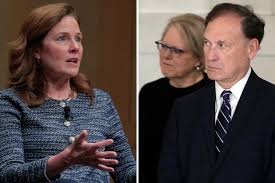
Understanding the Recent Recusals of Justice Samuel Alito and Amy Coney Barrett
In a move that highlights the intricate balance of the American legal system, two U.S. Supreme Court justices recently declined to participate in key decisions. Justice Samuel Alito and Justice Amy Coney Barrett each sat out separate matters related to federal appeals cases, sparking renewed conversations about judicial ethics and the standards of impartiality in the highest court in the land.
While the Supreme Court rarely provides detailed explanations for these absences, the reasons typically fall into well-established legal categories designed to prevent conflicts of interest. Let’s dive into the specifics of these cases and what they reveal about the inner workings of SCOTUS.
The Cases: What Was at Stake?
The two recusals involved very different legal disputes, yet both resulted in the Court upholding lower court rulings:
- n
- Justice Samuel Alito: Alito recused himself from a Fourth Circuit case involving a retirement benefits dispute (Gasper v. EIDP, Inc.). The case centered on a former employee’s claim that pension payments were wrongly reduced following a divorce, involving companies linked to DuPont and Corteva.
- Justice Amy Coney Barrett: Barrett stepped aside from a Seventh Circuit case (United States v. Eural Black) concerning a firearms conviction and the application of the First Step Act regarding compassionate release.
Why do Justices Recuse Themselves?
Recusal is a standard procedural tool used to maintain the integrity of the judiciary. Legal experts generally categorize these decisions into three main triggers:
- Prior Judicial Involvement: This was the likely trigger for Justice Barrett, who previously served on the Seventh Circuit. Justices avoid reviewing their own previous rulings to prevent bias.
- Financial Interests: This often applies to cases involving corporate entities. Federal ethics laws require justices to sit out if their impartiality might reasonably be questioned due to financial ties. This is the common context surrounding Samuel Alito’s recusal in corporate disputes.
- Personal Relationships: Recusals also occur when a justice has a close personal or family connection to one of the parties involved in the litigation.
The Transparency Debate: Self-Policing vs. Accountability
While these particular recusals were routine, they occur against a backdrop of intense scrutiny regarding Supreme Court ethics. Unlike lower court judges, Supreme Court justices are largely responsible for their own recusal decisions, a system critics describe as “self-policing.”
In recent years, Samuel Alito and Justice Clarence Thomas have faced criticism from lawmakers and watchdog groups for not stepping aside in high-profile political controversies. This lack of an external enforcement mechanism has led to bipartisan calls for a more formal, transparent code of conduct.
Final Thoughts: Independence vs. Oversight
The recent actions by Justice Alito and Justice Barrett serve as a reminder of how the system is intended to function: ensuring that cases are decided without bias. However, as the public demands greater accountability, the tension between judicial independence and institutional transparency continues to grow.
Whether these cases are “blockbusters” or routine procedural matters, every recusal adds a data point to the evolving discussion on how the U.S. Supreme Court balances its power with public trust.



