
Ryan Clark and the US Government’s War Propaganda
The US government isn’t simply seeking support for its actions with Iran; it’s actively attempting to generate enthusiasm. This strategy, reminiscent of past administrations’ use of propaganda to defend controversial policies, is now manifesting in a new form: meme-ified war.
The Rise of ‘Epic Fury’ and Gamified Warfare
The Pentagon, the White House, and US Central Command are employing social media to present a highly curated version of the conflict. However, this carefully constructed narrative often clashes with on-the-ground realities. Just as previous campaigns faced scrutiny – like the mass deportation efforts portrayed as Hollywood action – these videos are raising questions about accuracy and intent.
The administration’s initial claims of targeting terrorists have been challenged by evidence, and reports suggest a US Tomahawk missile may have struck a girls’ school, despite ongoing military investigations. CNN’s analysis points to outdated intelligence as a potential cause. This incident highlights the difficulty of verifying information amidst a flood of both genuine and AI-generated content, including fabricated videos promoted by Iran.
A Cinematic War: Trailers, Soundtracks, and ‘Banger Videos’
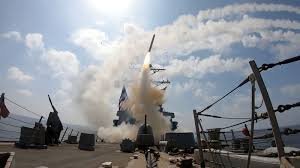
The White House’s portrayal of the war resembles a movie trailer, complete with dramatic audio from President Donald Trump and officials like Defense Secretary Pete Hegseth, set to music. These videos showcase successful missile strikes without depicting casualties, and even suggest Iranian dissidents should seize the opportunity for revolution. The administration insists the war will end when the US decides, a claim that contrasts with Iran’s leadership transition.
The conflict has even seen the first torpedo sinking of a ship by the US Navy since World War II, a moment captured and released by the military. US Central Command’s posts, featuring slowed-down explosions and the “Operation Epic Fury” logo, further contribute to the gamification of war. This trend extends to comparisons with video games like Call of Duty and Grand Theft Auto, where lives are seemingly limitless.
The Controller Sequence and the ‘Not a Fair Fight’ Narrative
White House communications director Steven Cheung even responded to CNN’s coverage with a playful reference to a video game cheat code, highlighting the administration’s embrace of this gamified approach. The messaging emphasizes US military dominance, declaring it “not a fair fight” and promising unconditional surrender from Iran.
Heartstrings and Controversy: The Human Cost and Blame Game
Alongside the displays of military might, the administration has also sought to evoke emotional responses, such as footage of the dignified transfer of fallen servicemembers. However, the administration has been reluctant to acknowledge potential US responsibility for Iranian casualties, with the death toll from a school bombing reaching 168 children and 14 teachers. Trump initially deflected blame, suggesting the missile might have originated from Iran, despite evidence pointing to a US Tomahawk.
Reporting from the Ground and Public Opinion
CNN’s reporting from inside Iran provides a rare glimpse into the realities of the conflict, witnessing waves of heavy airstrikes. While propaganda is not new to warfare, evidence suggests it hasn’t resonated with the US public, as polls indicate widespread disapproval of the war.
Questions of Awareness and Gas Prices
There are even questions about whether Trump is fully aware of all the propaganda efforts undertaken on his behalf. His former Homeland Security Secretary, Kristi Noem, testified that he approved a $220 million ad campaign he later claimed to have no memory of. Trump has also expressed concerns about the war’s potential impact on gas prices, offering conflicting statements about its duration.
Further Reading: Council on Foreign Relations – Iran



