
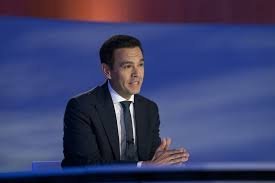
The Quebec Election Heat: Ruba Ghazal and the Vision for a Modern Province
As the election campaign reaches its peak, the political landscape in Quebec is becoming a battlefield of contrasting visions. Among the most prominent voices is Ruba Ghazal, the spokesperson for Québec solidaire, who is proposing a bold yet calculated approach to the province’s infrastructure and agricultural sector.
Ruba Ghazal’s “Smart” Approach to the TGV
One of the most debated topics in the current race is the proposed high-speed train (TGV) connecting Toronto and Quebec City. While the project has faced stiff opposition from the farming community, Ruba Ghazal insists that the project can be executed “intelligently.”
Ghazal argues that compromises are still possible with landowners and farmers. To sweeten the deal and ensure rural sustainability, she has pledged an impressive $840 million in new investments for farmers should her party secure a mandate. This strategy aims to balance urban connectivity with the preservation of Quebec’s agricultural heartland.
A Clash of Leaders: Independence and Infrastructure
While Ghazal focuses on sustainable growth, other party leaders are locked in a struggle over the province’s identity and financial future:
- n
- Paul St-Pierre Plamondon (Parti québécois): Taking a firmer stance on sovereignty, the PQ has estimated that a referendum on independence and the drafting of a provisional constitution would cost at least $130 million. Regarding the TGV, Plamondon asserts that Quebec must demand its “fair share” of the estimated $150 billion cost from Ottawa.
- Christine Fréchette (CAQ): The outgoing Prime Minister has faced criticism for her perceived ambiguity regarding her personal stance on independence, leading to calls from opponents for a definitive “yes or no” answer.
- Charles Milliard (Parti libéral du Québec): Milliard is championing a different economic path, opposing the reduction of temporary immigration, which he views as vital for the economy. He has proposed mandating the Office québécois de la langue française (OQLF) to protect areas vulnerable to anglicization.
- Éric Duhaime (Conservative Party of Quebec): Duhaime is pushing for the total elimination of trade barriers between provinces, urging farmers to be resilient in a more open market, despite warnings from the UPA about potential regional risks.
Navigating the Noise: What Truly Matters for Voters?
With five major parties vying for power, the volume of promises—spanning health, education, and the environment—can be overwhelming. However, the core tension remains: should Quebec prioritize its autonomy and sovereign identity, or focus on economic integration and strategic infrastructure projects like the one advocated by CBC News Canada‘s coverage of the region?
Whether it is Ruba Ghazal’s vision of a “smart” TGV or the PQ’s drive toward a referendum, the upcoming vote will determine the trajectory of Quebec for years to come.



