
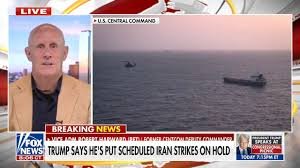
Robert Harward Analysis: The Strategic Pressure Campaign Against Iran
The geopolitical tension between the United States and Iran has reached a critical juncture, sparking intense debate among military strategists and political analysts. To understand the current dynamics of this standoff, we look to the insights of Retired Vice Admiral Robert Harward, a seasoned expert and former deputy commander of CENTCOM.
The Strategy of Patience and Pressure
According to Vice Admiral Robert Harward, the current US approach is not merely about traditional diplomacy, but about leveraging time and economic force. Harward asserts that the administration is maintaining a strong grip on the narrative, utilizing a combination of blockades and stringent sanctions to squeeze the Iranian regime.
The core of this strategy lies in a fundamental shift in objectives. While previous eras focused on negotiation, Harward suggests that the current goal is capitulation. By limiting Iran’s economic breathing room, the US aims to force a total surrender of disruptive behaviors rather than settling for a halfway compromise.
Key Pillars of the US-Iran Standoff
Harward highlights several critical factors that are currently tipping the scales in favor of the United States:
- n
- Economic Warfare: The aggressive application of sanctions is designed to cripple the regime’s ability to fund its external operations.
- Control of the Narrative: By dictating the terms of the engagement, the US keeps the Iranian leadership on the defensive.
- Strategic Timing: Harward emphasizes that “time is on the side” of the US, allowing pressure to mount until the regime reaches a breaking point.
Internal Discord and Global Constraints
Beyond external sanctions, Harward points toward the fragility of the Iranian regime’s internal structure. The combination of global economic isolation and domestic unrest has created a volatile environment for the leadership in Tehran.
Furthermore, global events and cultural obligations, such as the Hajj pilgrimage, add layers of complexity and pressure, making it increasingly difficult for the Iranian regime to maintain a facade of stability while facing immense international scrutiny.
Final Thoughts on Geopolitical Stability
The analysis provided by Robert Harward underscores a high-stakes game of geopolitical chess. For those following US foreign policy and the activities of CENTCOM, it is clear that the path forward is defined by strength and strategic endurance.
As the standoff continues, the world watches to see if this maximum pressure campaign will indeed lead to the capitulation Harward envisions, or if a new diplomatic path will emerge.



