
Protest or Conspiracy? The Rising Use of Federal Charges Against Activists
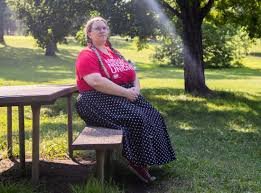
Imagine waking up on a quiet June morning, sipping coffee in your pajamas, only to find Homeland Security agents in your front yard. For Treasure Thoreson, a special education teacher in Minneapolis, this wasn’t a nightmare—it was her reality. She was arrested not for a violent act, but for conspiracy.
Thoreson is one of many activists caught in an escalating trend where the U.S. government is utilizing a rarely used, Civil War-era statute to target those engaged in political protest. The charge? Conspiracy to impede or injure a federal officer.
The Legal Loophole: A Civil War Tool in the Modern Era
Historically, the statute used to charge Thoreson and dozens of others was seldom employed. However, there has been a sharp increase in its application since the previous administration’s push for stricter immigration enforcement. While originally designed for extreme cases, it is now being used to sweep up activists protesting ICE (Immigration and Customs Enforcement) operations.
Legal experts are sounding the alarm. According to Aaron Terr, director of public advocacy at the Foundation for Individual Rights and Expression (FIRE), there is a growing concern that the government is “casting too wide a net.”
The Difference Between Civil Disobedience and Conspiracy
- Civil Disobedience: Nonviolently breaking minor laws (like trespassing or failing to disperse) to make a political point. These usually result in misdemeanors.
- Criminal Conspiracy: An agreement between two or more people to commit a crime. In these federal cases, the government argues that organizers planned to prevent officers from doing their duties through force or intimidation.
From Spokane to Chicago: Real Stories of Legal Battles
The human cost of these charges is significant. In Spokane, Washington, activists like Jac Archer and Bajun Mavalwalla II were convicted of conspiracy for attempting to block vehicles transporting detainees. Despite not being accused of violence or property damage, they faced the prospect of up to six years in federal prison.
Similarly, in Broadview, Illinois, musicians and community organizers like Joselyn Walsh and Michael Rabbitt found themselves in the federal crosshairs after a protest outside an ICE facility. While their charges were eventually dismissed due to prosecutorial misconduct, the psychological toll remained.
“I think that what I’ve learned through this experience is just how much power the federal government really has over our lives and our liberty,” says Walsh.
The Bigger Picture: Chilling the First Amendment?
The Justice Department maintains that these prosecutions are necessary to protect law enforcement from violence. However, critics argue that using felony conspiracy charges against peaceful organizers is a tactic intended to intimidate the public and stifle dissent.
As legal battles continue, organizations like the ACLU and Protect Democracy emphasize that the right to organize and resist injustice is a cornerstone of American democracy. The central question remains: where does the line fall between a legitimate federal crime and the fundamental right to protest?
Conclusion
The shift toward using conspiracy charges against activists marks a pivotal moment in the intersection of national security and civil liberties. Whether these cases are seen as necessary law enforcement or political weaponization, they serve as a stark reminder of the legal risks inherent in modern activism.



