
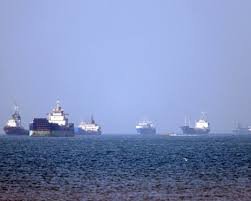
Project Freedom: US Moves to Break Iran’s Strait of Hormuz Blockade Amid Escalating Tensions
The geopolitical landscape of the Middle East has reached a critical breaking point. In a bold move to restore maritime stability, the United States has initiated Project Freedom, a military-led operation designed to break the Iranian blockade of the Strait of Hormuz and free hundreds of commercial vessels currently stranded in one of the world’s most vital energy arteries.
What is Project Freedom?
Launched by President Donald Trump, Project Freedom is a strategic effort to reopen trade routes that have been virtually shut since the onset of the US-Israeli conflict with Iran in late February. The operation utilizes US Navy destroyers to escort merchant ships, ensuring they can safely navigate the narrow strait despite the looming threat of Iranian interference.
The stakes are incredibly high. The US administration has warned that any attempt by Iranian forces to obstruct these efforts could result in severe military retaliation, with the President stating that hostile forces would be “blown off the face of the earth” if they targeted US-escorted vessels.
Escalation in the Gulf: Attacks and Denials
The launch of the operation has not been without friction. Recent reports indicate a surge in hostilities across the region:
- n
- Military Clashes: The US claims to have destroyed six small Iranian military boats, though Tehran has vehemently denied these reports.
- Attacks on the UAE: Iran launched a barrage of drones and missiles targeting the United Arab Emirates, specifically striking the strategic oil port of Fujairah, causing significant fires.
- Maritime Incidents: Several merchant ships reported explosions. Notably, the South Korean-operated vessel HMM Namu suffered an explosion; however, all 24 crew members are reported safe.
While shipping giant Maersk confirmed that one of its US-flagged vessels successfully exited the strait under military escort, the US Central Command (Centcom) acknowledges that the Iranian Revolutionary Guards continue to interfere with the mission.
The Global Economic Ripple Effect
This conflict is not just a regional skirmish; it is a global economic threat. The Strait of Hormuz is the world’s most important oil transit chokepoint. If the blockade continues and the conflict escalates, the financial repercussions could be catastrophic.
Kristalina Georgieva, chief of the International Monetary Fund (IMF), has issued a stark warning: inflation is already rising, and the global economy could face a disastrous outcome if the war persists into 2027, potentially driving oil prices to $125 a barrel.
Broader Regional Conflict: Lebanon and Beyond
The tensions in the Gulf are mirrored in other parts of the region. The Israeli military has issued forced displacement orders in southern Lebanon, signaling imminent airstrikes against Hezbollah. Despite a US-brokered ceasefire in mid-April, both sides accuse the other of violations, creating a volatile environment where a single miscalculation could ignite a wider regional war.
Conclusion: A Fragile Balance
As Iran insists there is no military solution and calls for mediation via Pakistan, the US remains committed to Project Freedom. The world now watches as the US attempts to free the global supply chain from the grip of a maritime blockade, balancing the thin line between diplomatic resolution and full-scale war.



