
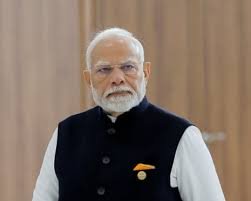
PM Modi Speech Sparks Controversy: Electoral Map Redraw Accusations
The Indian government, led by Prime Minister Narendra Modi, has faced fierce criticism after a bill aimed at increasing female representation in parliament failed to pass. Opposition parties are alleging that the government used the proposed legislation as a cover to initiate a controversial redrawing of the country’s electoral map – a process known as delimitation.
A Historic Setback for the BJP
This marks the first time in 12 years that a constitutional amendment proposed by Modi’s Bharatiya Janata Party (BJP) government has been defeated in parliament. The failure followed a heated debate, with opponents decrying what they see as an “attack on democracy.” The core of the dispute lies in the government’s decision to link the women’s reservation bill to the broader, and highly contentious, exercise of delimitation.
What is Delimitation and Why is it Controversial?
Delimitation involves redrawing parliamentary constituencies based on population data from the 2011 census. This would significantly increase the number of Members of Parliament (MPs) in the lower house, from the current 543 to approximately 850. The process is inherently political, as it can shift political power between states and regions. For more information on the Indian parliamentary system, see the Parliament of India website.
A Divided House: The Vote and Opposition Response
The bill required a two-thirds majority to pass, a challenging threshold for the BJP and its National Democratic Alliance (NDA), which doesn’t hold an outright majority. The final vote tally was 298 in favour and 230 against. Remarkably, India’s often fragmented opposition parties demonstrated a rare degree of unity in opposing the bill.
Priyanka Gandhi Vadra of the Indian National Congress labelled the move an “open attack” on democracy, while Gaurav Gogoi accused the Modi government of attempting to “bulldoze” delimitation through the backdoor. Rahul Gandhi echoed these sentiments, stating the bill was “not a women’s bill” and an attempt to alter India’s electoral landscape.
Regional Concerns and the North-South Divide
Delimitation is a particularly sensitive issue due to the significant demographic shifts in India. Prosperous southern states, like Tamil Nadu and Kerala, which have experienced slower population growth, fear a reduction in their political representation. Conversely, poorer, more populous northern states – considered the BJP’s political stronghold – stand to gain seats if the electoral map is redrawn. The last delimitation occurred in 1971, and southern states are advocating for a 25-year freeze on further changes.
Protests erupted in Tamil Nadu, with MPs from the Dravida Munnetra Kazhagam (DMK) wearing black in parliament and Chief Minister MK Stalin publicly burning a copy of the bill, calling it a “punishment” for southern states.
The Women’s Reservation Bill: A Complex History
It’s important to note that a bill reserving one-third of parliamentary seats for women was previously passed unanimously in 2023. However, its implementation has been delayed until at least 2029, pending completion of certain electoral processes. The BJP argued that the new bill would accelerate the implementation of these quotas.
PM Modi’s Appeal and Government Justification
Prime Minister Modi urged lawmakers to seize the “important opportunity” to provide reservations for women, appealing for a non-partisan approach “in the national interest.” Home Affairs Minister Amit Shah defended the need for delimitation, arguing it’s essential to reflect the country’s population growth of over 1.4 billion, ensuring “every voter has an equal value.”
Opposition Concerns: A Tyranny of the Majority?
Opposition MP Shashi Tharoor countered that linking women’s reservations to delimitation “effectively holds the aspirations of Indian women hostage” to a contentious political exercise. He warned of a potential “tyranny of the demographic majority,” where a few large, poorer states could disproportionately influence the nation’s political direction.



