
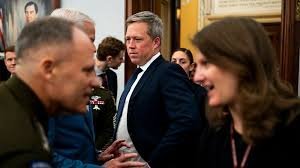
Pete Hegseth for Secretary of Defense: A Bold and Controversial Shift for the Pentagon
The political landscape in Washington D.C. has been shaken once again. In a move that has sparked intense debate across the spectrum, Donald Trump has nominated Pete Hegseth to serve as the U.S. Secretary of Defense. This choice represents a significant departure from traditional appointments, prioritizing ideological alignment and media presence over seasoned bureaucratic experience.
Who is Pete Hegseth?
For many, the most recognizable version of Pete Hegseth is the outspoken former Fox News host. However, his background extends far beyond the television studio. Hegseth is a veteran of the Army National Guard, having served in Iraq and Afghanistan, and was awarded two Bronze Stars for his service.
His transition from the battlefield to the newsroom, and now potentially to the helm of the world’s most powerful military, makes him a unique—and polarizing—figure in the latest Hegseth news cycles.
Why the Nomination is Stirring Controversy
The primary point of contention regarding Hegseth’s nomination is his lack of traditional executive experience. Typically, the Secretary of Defense is a retired four-star general or a seasoned politician with deep ties to the Department of Defense (DoD). Hegseth, while a veteran, has never managed a large-scale government organization.
Critics and supporters are divided on several key points:
- n
- Ideological Alignment: Trump views Hegseth as a warrior for his vision of “cleaning house” within the Pentagon.
- The “Woke” Agenda: Hegseth has been a vocal critic of diversity, equity, and inclusion (DEI) initiatives within the military, arguing they distract from combat readiness.
- Leadership Style: Supporters see him as a disruptor who can break through bureaucratic stagnation, while critics fear a lack of diplomatic nuance in international relations.
What to Expect from a Hegseth-led Pentagon
If confirmed, Pete Hegseth is expected to implement a series of sweeping changes focused on military lethality and ideological realignment. Based on his public commentary and the goals of the incoming administration, we can anticipate:
- A Crackdown on “Woke” Policies: A concerted effort to remove social engineering from military training.
- Personnel Shifts: The potential removal of senior military leaders who are perceived as being too aligned with previous administration policies.
- Strategic Pivot: A renewed focus on traditional warfare and deterrence, potentially shifting how the US engages with global allies and adversaries.
The Road to Confirmation
The next critical step is the Senate confirmation process. Hegseth will face rigorous questioning regarding his qualifications and his views on global security. For those following the latest geopolitical news, the outcome of this confirmation will be a bellwether for how the new administration intends to handle national security.
Whether you view him as a necessary disruptor or an unqualified risk, one thing is certain: Pete Hegseth’s nomination ensures that the U.S. Department of Defense will be at the center of the national conversation for months to come.



