
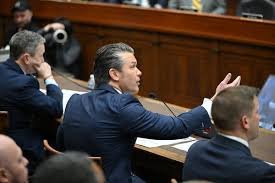
The Shift in Command: Understanding Pete Hegseth’s Role in Military Leadership Changes
The landscape of the United States Department of Defense is bracing for a potential seismic shift. With the nomination of Pete Hegseth, a former Army National Guard officer and prominent media personality, the conversation around military leadership changes has reached a fever pitch. This move signals more than just a change in personnel; it suggests a fundamental pivot in how the U.S. military is managed and its strategic priorities.
Hegseth is not a traditional pick for Secretary of Defense. His background blends military service with a loud, influential voice in political commentary, positioning him as a disruptor within the halls of the Pentagon.
What to Expect from the Proposed Military Leadership Changes
If confirmed, Hegseth is expected to implement a series of aggressive changes aimed at “cleaning house” within the military hierarchy. The primary focus of these military leadership changes appears to be rooted in a return to traditional combat readiness and a departure from social engineering within the ranks.
Key areas of focus likely include:
- n
- Eliminating “Woke” Policies: Hegseth has been a vocal critic of Diversity, Equity, and Inclusion (DEI) programs, arguing they distract from the core mission of lethality and winning wars.
- Personnel Overhaul: There is strong speculation regarding the removal of senior military leaders who are perceived as being too aligned with progressive social agendas rather than strategic military objectives.
- Streamlining Command: A push toward a more streamlined, efficient chain of command that prioritizes meritocracy and combat experience over administrative tenure.
The Potential Impact on National Security
The prospect of such drastic military leadership changes has sparked an intense debate among defense analysts. Supporters argue that the military has lost its way and needs a bold leader to restore its fighting spirit and focus. They believe Hegseth’s outsider perspective is exactly what is needed to break the stagnation of the “permanent bureaucracy.”
Conversely, critics express concern over his lack of experience managing a massive government agency like the Department of Defense. The concern is that purging experienced leaders based on political ideology could lead to instability in command and control during a time of global volatility.
Conclusion: A Turning Point for the U.S. Armed Forces
Whether you view the potential appointment as a necessary correction or a risky gamble, one thing is certain: the era of Pete Hegseth could redefine the relationship between civilian leadership and military execution. The coming months will reveal if these leadership changes will result in a more potent fighting force or create friction within the world’s most powerful military.
To stay updated on the latest developments in defense policy and political appointments, keep an eye on official government briefings and high-authority news outlets like Reuters.



