
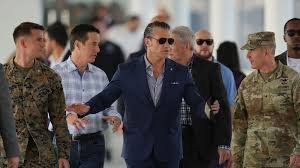
Pete Hegseth and General Officer Reduction: A New Era for the US Military?
The nomination of Pete Hegseth as Secretary of Defense has sparked intense debate across the political and military spectrum. One of the most contentious and discussed topics surrounding his potential leadership is the concept of general officer reduction. But what does this actually mean, and why is it becoming a focal point for military reform?
What is General Officer Reduction?
At its core, general officer reduction is the proposal to decrease the number of high-ranking flag officers (Generals and Admirals) within the United States Armed Forces. Proponents of this move argue that the military has become “top-heavy,” with too many leaders in administrative roles and not enough focus on tactical execution and combat readiness.
Hegseth, a combat veteran and former Fox News host, has frequently criticized the current state of the Department of Defense (DoD), suggesting that a bloated bureaucracy often hinders the efficiency of the warfighter.
Why the Push for Fewer Generals?
The drive toward reducing general officers is rooted in several key arguments:
- n
- Reducing Bureaucracy: A leaner command structure can lead to faster decision-making processes and less red tape.
- Cost Efficiency: High-ranking officers command significant salaries and resources; reducing these positions could potentially reallocate funds toward modernization and training.
- Focus on Meritocracy: Hegseth has suggested that promotions should be based strictly on combat effectiveness and leadership rather than political alignment or administrative tenure.
- Combating “Woke” Culture: Part of the argument for a leadership shake-up is the desire to remove officers who prioritize social agendas over military lethality.
Potential Impacts on National Security
While the idea of a “leaner” military sounds appealing, military analysts are divided on the actual impact of a significant general officer reduction.
The Potential Upside
A streamlined leadership could result in a more agile force capable of responding to threats more rapidly. By removing layers of management, the communication gap between the Pentagon and the troops on the ground could be narrowed.
The Potential Risks
Critics argue that removing experienced leaders too abruptly could create a power vacuum or disrupt critical diplomatic and strategic relationships with global allies. According to reports from Reuters, the complexity of modern global warfare requires a sophisticated level of strategic planning that high-ranking officers provide.
The Road Ahead for the Pentagon
If Pete Hegseth takes the helm of the Pentagon, the push for general officer reduction will likely be one of his first priorities. This move would not just be about numbers, but about shifting the culture of the US military back toward a primary focus on combat readiness and strategic dominance.
Whether this results in a more efficient fighting force or internal instability remains to be seen, but it marks a definitive shift in how the US views its military leadership hierarchy.
Key Takeaway: The focus on general officer reduction under Pete Hegseth represents a broader push for military efficiency, prioritizing lethal capabilities over bureaucratic expansion.



