
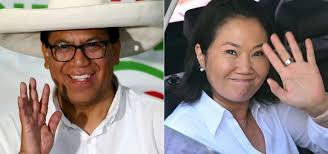
Peru stands at a critical crossroads. The elecciones peru 2026 have reached a fever pitch as the country heads into a decisive second round of voting. In a clash that represents more than just a political race, the battle between Keiko Fujimori and Roberto Sánchez mirrors a deeply polarized society divided by ideology, geography, and history.
A Technical Tie: The Race for the Palace
According to the latest exit polls conducted by Ipsos/Perú21/Latina, the race is virtually a dead heat. Keiko Fujimori, representing the right-wing Fuerza Popular party, holds a slight lead with 50.7% of the vote, while the left-wing candidate Roberto Sánchez, from Juntos por el Perú, follows closely at 49.3%.
With a margin of error of 3%, analysts are calling this a technical tie. As the National Jury of Elections (JNE) urges patience, the world watches to see who will become the ninth president of Peru in just one decade—a testament to the country’s ongoing struggle with political volatility.
Two Worlds Colliding: Fujimorismo vs. Castillismo
The elecciones peru 2026 are not merely about two candidates, but two diametrically opposed visions for the future of the nation:
- Keiko Fujimori: The daughter of former president Alberto Fujimori, Keiko promises “order” and conservative stability. After three previous defeats in second-round run-offs, she is fighting to secure her family’s political legacy.
- Roberto Sánchez: Positioning himself as the “Castillista” candidate, Sánchez seeks to vindicate the memory and policies of former president Pedro Castillo. His platform focuses on social justice, a new Constitution, and representing the rural heartlands.
Experts from the Institute of Peruvian Studies (IEP) suggest that this divide is more than just left vs. right; it is a clash between the urban center of Lima and the marginalized rural provinces.
Electoral Integrity and International Oversight
Maintaining the peace during the elecciones peru 2026 has been a priority. The Organization of American States (OEA) deployed 92 observers across 300 polling stations, reporting that the process has generally remained peaceful.
However, the day was not without controversy. Reports surfaced regarding “marked ballots”—an attempt to invalidate votes before they were cast. While the JNE has dismissed claims of systemic fraud, noting that a few isolated incidents involving party delegates were handled legally, the tension remains high.
The Road Ahead: What is at Stake?
Regardless of who wins, the next president faces a mountain of challenges. The winner will inherit a fragmented Congress and a public exhausted by institutional chaos. The primary goals for the 2026-2031 term include:
- Restoring Governability: Building a bridge between the executive and a divided legislature.
- Combatting Crime: Addressing the rising insecurity and criminality affecting citizens.
- Economic Recovery: Implementing policies to spark sustainable growth and reduce poverty.
As Peru awaits the official results, the hope remains that the transition will be peaceful. As interim president José María Balcázar stated, the country needs “works and more works, not fights.”



