
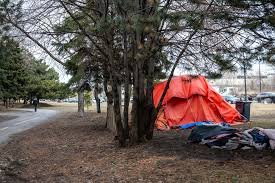
Pauline Marois and the Bold Quest for Zero Homelessness in Quebec
Quebec is facing a critical turning point in its approach to social vulnerability. At the forefront of this movement is Pauline Marois, the former Premier of Quebec, who has stepped out of her political reserve to tackle one of the most pressing issues of our time: homelessness.
Driven by her professional background in social work and a profound sense of indignation, Marois is leading a coalition of prominent figures to demand a systemic shift in how the province handles those without a roof over their heads. The goal is ambitious yet clear: Zero Homelessness.
A Call for Unity: The Open Letter and Political Response
The movement gained significant momentum through an open letter published in Le Devoir. Signed by a diverse group of leaders—including the mayors of Montreal and Quebec City—the letter calls for a comprehensive summit to coordinate efforts across the province. The signers argue that while many laudable initiatives exist, they lack the cohesion needed to create a lasting impact.
The political response has been swift. Both the Parti Québécois (PQ) and the Parti Libéral (PLQ) have committed to hosting a grand summit on homelessness by June 2027, should they form the next government. This commitment highlights a growing consensus that the status quo is no longer acceptable.
The Finnish Model: Why “Housing First” is the Key
A central pillar of the strategy proposed by Pauline Marois and her allies is the adoption of the “Housing First” model, which has seen remarkable success in Finland. Unlike traditional models that require individuals to solve mental health or addiction issues before receiving housing, Housing First flips the script.
- n
- Housing as a Right: Permanent housing is provided first, without preconditions.
- Stability First: Once a person has a safe and stable home, it becomes significantly easier to address health, employment, and social integration.
- Proven Results: Finland has dramatically reduced its homeless population since the 1990s by prioritizing this approach.
For more information on how these strategies are implemented globally, you can explore the Public Health Agency of Canada‘s guidelines on social determinants of health.
The Reality on the Ground: Alarming Statistics
The urgency of this movement is backed by sobering data. According to the 2025 census, approximately 12,000 people are experiencing homelessness across Quebec. Even more concerning is the rapid increase in regional areas outside the major urban centres.
Between 2022 and 2025, some regions saw staggering spikes in homelessness:
- n
- Abitibi-Témiscamingue: 119% increase
- Laurentides: 74% increase
- Côte-Nord: 65% increase
- Laval: 59% increase
- Saguenay–Lac-Saint-Jean: 51% increase
Moving Toward a Sustainable Solution
While the current government has introduced programs like the Preventive Rent Supplement Program (PSLP) and investments in mental health support (PRISMD), Pauline Marois argues that a coordinated summit is the only way to remove bureaucratic roadblocks and establish a unified roadmap.
“It has always produced results when everyone sits around the same table,” Marois stated, emphasizing that while a specific deadline for zero homelessness might be premature, the commitment to firm, coordinated action must begin now.
Quebec stands at a crossroads. By shifting from fragmented aid to a structured, “Housing First” philosophy, the province has the opportunity to ensure that no citizen is left to survive the harsh winters on the street.



