Paul St-Pierre Plamondon and the Sovereignty Strategy: No Referendum During the Trump Era
A Strategic Pause: Paul St-Pierre Plamondon’s Bold Move on Quebec Sovereignty
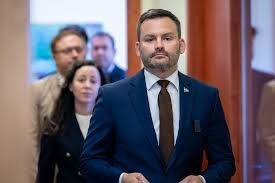
In the high-stakes world of Quebec politics, timing is everything. Paul St-Pierre Plamondon, the leader of the Parti Québécois (PQ), has recently made a formal and strategic commitment that is sending ripples through the political landscape: a PQ government will not hold a referendum on sovereignty as long as Donald Trump occupies the White House.
This decision is not merely a tactical delay but a calculated move to reassure voters and shift the narrative of the upcoming electoral campaign. By removing the immediate threat of a referendum, Plamondon aims to neutralize the “fear factor” often used by political opponents.
Why Wait? The Geopolitical Gamble
The logic behind this commitment is rooted in geopolitical stability. Paul St-Pierre Plamondon acknowledges that the current international climate—marked by unpredictable US trade policies and potential tariff escalations—could jeopardize a serene and informed debate about Quebec’s future.
Key reasons for this strategic pause include:
- n
- Avoiding Volatility: Ensuring that the crucial question of national identity isn’t hijacked by the “shocks” of American politics.
- Economic Protection: Mitigating the risk of economic instability or trade wars that could harm the Quebec economy during a transition.
- Voter Confidence: Reassuring moderate electors who support the PQ but are hesitant about the risks associated with a referendum in an unstable global environment.
Shifting the Focus to Daily Life
By pushing the referendum conversation toward the end of a potential first mandate (approximately 2029), Plamondon is clearing the path to focus on the immediate needs of Quebecers. The PQ intends to center its campaign on critical domestic issues, such as:
- n
- Healthcare Reform: Improving access and quality of care.
- Housing Crisis: Developing sustainable solutions for affordable living.
- Economic Liberalization: Interestingly, Plamondon has proposed “liberalizing” the sale of wine in Quebec, arguing that the state should step aside to let entrepreneurs thrive.
The Road to October 5th
As the province heads toward the elections on October 5th, the Parti Québécois currently leads the polls, although analysts suggest they might form a minority government. To strengthen their ranks, the party has been aggressively recruiting high-profile candidates, including journalists and legal experts, to build a government ready for governance.
While opponents like the Liberals argue that the political tide can still turn, the PQ’s current strategy of “judgment and intelligence” regarding the timing of sovereignty seems to be resonating with a significant portion of the francophone electorate.
Final Thoughts: A New Era for the PQ?
Paul St-Pierre Plamondon is attempting a delicate balancing act: maintaining the dream of independence while proving that the PQ can be a pragmatic manager of the state. By acknowledging the influence of the U.S. Presidency on Canadian stability, he is positioning himself as a leader who prioritizes the protection of Quebecers over ideological haste.
📰 You May Also Like