
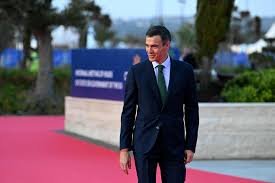
Is Spain’s Place in NATO at Risk? The Growing Tension Between Madrid and Washington
Geopolitical tensions are reaching a boiling point as reports emerge regarding the potential suspension of Spain from NATO. The controversy stems from a clash of interests between the Spanish government and the United States, specifically regarding the ongoing conflict involving Iran. While rumors of sanctions circulate, Spanish Prime Minister Pedro Sánchez is standing his ground.
The Core of the Conflict: The Iran Stance
The friction began when Prime Minister Pedro Sánchez emerged as one of the most prominent Western voices opposing the war against Iran. This position is not merely diplomatic; it has had practical implications. Madrid has reportedly refused to allow the United States to utilize military bases in Andalusia for conducting aerial attacks, a move that has deeply irritated the administration of Donald Trump.
Pedro Sánchez: “No Cause for Concern”
Speaking from Nicosia, Cyprus, during a European Union summit, Sánchez addressed the reports published by Reuters suggesting that the US is contemplating Spain’s suspension from key responsibility roles within the Alliance.
Sánchez’s defense centered on three main points:
- n
- Reliability: He asserted that Spain remains a “reliable partner” that consistently fulfills its obligations to the Alliance.
- Official Communication: The Prime Minister dismissed the reports, stating that Spain operates based on official government documents rather than “emails” or leaked reports.
- International Law: He emphasized that while Spain seeks absolute cooperation with its allies, it will always do so within the framework of international legality.
The “Paper Tiger” Warning from the Pentagon
While Sánchez remains calm, the mood in Washington appears far more volatile. A spokesperson for the Pentagon, Kingsley Wilson, echoed Donald Trump’s frustrations, suggesting that some NATO allies have failed to support the US during the offensive against Iran.
The Pentagon noted that the Department of War is ensuring the President has “credible options” to ensure allies are not merely “paper tigers” but active participants in collective security. Furthermore, Trump has previously criticized Spain for failing to increase its security spending to the levels agreed upon during previous NATO summits.
The Legal Reality of NATO Suspensions
Despite the rhetoric, the legal path to removing a member is complex. The founding treaty of NATO, signed in 1949, does not contain specific articles that provide for the suspension or expulsion of a member state. This legal vacuum provides a significant shield for Spain, making a formal “suspension” highly unlikely under current international law.
Beyond NATO: The Falkland Islands Twist
The diplomatic battle may extend beyond the North Atlantic Treaty. Reports indicate that the US might shift its position regarding the Falkland Islands (Malvinas) as a form of retaliation against the UK’s lack of support in the Iran conflict. While the US State Department claims to remain “neutral” on the sovereignty dispute between Argentina and the UK, the mere mention of this issue suggests a broader strategy of geopolitical pressure.
As the world watches, the relationship between Spain and the US serves as a litmus test for the future of the Atlantic Alliance: can a member state maintain a dissenting voice on specific conflicts without risking its security guarantees?



