
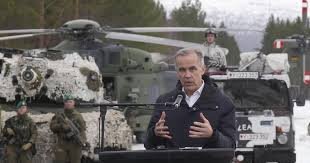
NATO in 2026: Navigating Global Security and the Future of the Alliance
In an era of unprecedented geopolitical shifts, the North Atlantic Treaty Organization (NATO) remains the cornerstone of transatlantic security. As we move through 2026, the alliance is not merely a relic of the Cold War but a dynamic shield adapting to modern threats, from conventional warfare to the complexities of the digital frontier.
The Core Mission of NATO
At its heart, NATO is built on the principle of collective defence. The famous Article 5 stipulates that an attack against one member is considered an attack against all. In today’s climate, this commitment is more critical than ever to deter aggression and maintain peace across Europe and North America.
The alliance focuses on three primary strategic pillars:
- Collective Defence: Strengthening the borders of member states through joint exercises and strategic positioning.
- Crisis Management: Rapidly deploying resources to stabilize volatile regions and prevent conflict escalation.
- Cooperative Security: Partnering with non-member nations to promote democratic values and global stability.
Canada’s Strategic Role in the Alliance
As a founding member, Canada plays a pivotal role in NATO’s operational success. From contributing to the Enhanced Forward Presence in Eastern Europe to leading diplomatic efforts in the North Atlantic, Canada ensures that the alliance remains balanced and inclusive.
The Canadian government continues to prioritize defence spending and modernization, ensuring that the Canadian Armed Forces can integrate seamlessly with allied technologies and strategies. For more information on Canada’s diplomatic approach, you can visit Global Affairs Canada.
Emerging Threats: Beyond Conventional Warfare
The landscape of security has changed. NATO is no longer just about tanks and aircraft; it is now about bits and bytes. The alliance has significantly increased its focus on Cyber Defence and the protection of critical infrastructure from state-sponsored cyberattacks.
Furthermore, the intersection of climate change and security has become a priority. NATO is now analyzing how environmental degradation leads to resource scarcity, which in turn fuels regional conflicts—making environmental intelligence a key part of military planning.
Looking Ahead: The Future of the Alliance
As we look toward the future, NATO’s ability to evolve will determine its relevance. The integration of Artificial Intelligence (AI) in surveillance and the strengthening of ties with Indo-Pacific partners are the next frontiers for the organization.
For those wishing to track the official policy updates and current missions, the Official NATO Portal provides comprehensive data on the alliance’s current operations.
Conclusion: While the challenges of 2026 are complex, the unity provided by NATO offers a necessary bulwark against instability. By blending military strength with diplomatic agility, the alliance continues to safeguard the freedom and security of its member nations.



