
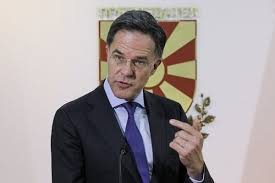
The North Atlantic Treaty Organization (NATO) has entered a new chapter with the appointment of Mark Rutte as its Secretary General. Replacing Jens Stoltenberg, the former Dutch Prime Minister brings a wealth of political experience and a reputation for pragmatic leadership to the helm of the world’s most powerful military alliance. This transition occurs at a pivotal moment, with ongoing geopolitical tensions, particularly the war in Ukraine, and evolving security threats demanding a robust and unified response.
Mark Rutte’s Background and Political Career
Mark Rutte served as Prime Minister of the Netherlands for over 14 years, becoming the longest-serving Dutch premier in history. Known for his calm demeanor and ability to forge consensus, Rutte navigated complex domestic and international challenges during his tenure. He consistently championed European integration and a strong transatlantic relationship with the United States. His experience in dealing with economic crises, migration issues, and the COVID-19 pandemic has equipped him with a broad understanding of the multifaceted challenges facing modern nations.
Rutte’s selection as Secretary General wasn’t without its hurdles. Turkey initially blocked his candidacy, raising concerns about his stance on certain issues. However, through diplomatic efforts and compromises, a consensus was ultimately reached, highlighting Rutte’s skill as a negotiator. This initial challenge underscores the complexities inherent in leading an alliance of 32 nations, each with its own national interests and priorities.
Priorities for NATO Under Rutte’s Leadership
Several key priorities are expected to define Rutte’s leadership of NATO. First and foremost is bolstering support for Ukraine in its defense against Russian aggression. This includes continued military aid, training, and diplomatic pressure on Moscow. Rutte is expected to advocate for increased defense spending among NATO members, pushing for the fulfillment of the commitment to allocate 2% of GDP to defense. NATO’s website details the importance of this commitment.
- Strengthening Deterrence and Defense: Enhancing NATO’s military readiness and capabilities, particularly in Eastern Europe.
- Addressing Emerging Threats: Focusing on challenges such as cyberattacks, hybrid warfare, and the security implications of climate change.
- Transatlantic Unity: Reinforcing the bond between North America and Europe, particularly in light of potential shifts in US foreign policy.
- Expanding Partnerships: Strengthening relationships with key partners around the world, including countries in the Indo-Pacific region.
Furthermore, Rutte will likely prioritize adapting NATO to the evolving geopolitical landscape. This includes considering the implications of China’s growing influence and the rise of new technologies, such as artificial intelligence, for security and defense. He will need to navigate the delicate balance between maintaining a strong defense posture and avoiding unnecessary escalation.
Challenges Ahead for the Alliance
Despite its strength, NATO faces several significant challenges. Maintaining unity among its members, particularly in the face of diverging national interests, will be crucial. The potential for political instability in some member states and the rise of populism could also pose risks to the alliance’s cohesion. The ongoing war in Ukraine has demonstrated the importance of NATO’s collective defense principle, but it has also exposed vulnerabilities and highlighted the need for continued adaptation. The Council on Foreign Relations provides in-depth analysis of NATO’s current challenges.
Mark Rutte’s appointment as NATO Secretary General marks a significant moment for the alliance. His experience, leadership skills, and commitment to transatlantic security will be vital as NATO navigates a complex and uncertain world. The coming years will test his ability to forge consensus, address emerging threats, and ensure that NATO remains a relevant and effective force for peace and security.



