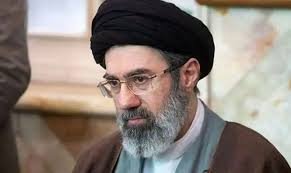
Mojtaba Khamenei: The Shadowy Figure Poised to Lead Iran?
Mojtaba Khamenei, the second son of Iran’s Supreme Leader Ayatollah Ali Khamenei, is increasingly becoming a central figure in Iranian politics. While not holding an official position, his influence is widely believed to be substantial, leading many to speculate he is being groomed as the next Supreme Leader. This article delves into the life, background, and growing power of Mojtaba Khamenei, examining his potential impact on Iran and the international stage.
Early Life and Education
Born in 1969, Mojtaba Khamenei’s early life was shaped by the tumultuous events surrounding the Iranian Revolution. He received a traditional religious education, studying at seminaries in Qom and Mashhad. Unlike his brother, Mohammad Khamenei, who pursued a more secular path, Mojtaba remained deeply rooted in the religious establishment. This commitment has been crucial in solidifying his position within the conservative circles of power.
The Rise of Influence: Beyond Official Titles
Mojtaba Khamenei’s power doesn’t stem from a formal government role. Instead, it’s built on his close relationship with his father and his control over a network of influential figures. He is believed to oversee a vast financial empire, including the Astan-e Quds Razavi, a powerful religious foundation that controls significant assets. This foundation, responsible for managing the Imam Reza shrine in Mashhad, is a major economic player in Iran. His influence extends to security apparatus, and he is often cited as a key player in suppressing dissent and consolidating power.
Reports suggest he played a significant role in the 2009 post-election crackdown on protestors, and continues to be a driving force behind hardline policies. He is often described as a staunch conservative, advocating for a strict adherence to Islamic principles and a firm stance against Western influence. A 2019 report by the Atlantic Council detailed his extensive network and influence, highlighting his role in shaping Iran’s domestic and foreign policies. [https://www.atlanticcouncil.org/blogs/iransource/mojtaba-khamenei-iran-s-shadowy-prince/](https://www.atlanticcouncil.org/blogs/iransource/mojtaba-khamenei-iran-s-shadowy-prince/)
Potential Succession and Future Implications
The question of succession to Ayatollah Ali Khamenei is a critical one. While the Assembly of Experts is formally responsible for selecting the next Supreme Leader, many believe Mojtaba Khamenei is the frontrunner. His deep ties to the religious establishment, his control over significant economic resources, and his father’s apparent support all contribute to this perception.
If Mojtaba Khamenei were to become Supreme Leader, it could signal a further entrenchment of hardline policies and a more confrontational stance towards the West. His leadership could also lead to increased internal repression and a tightening of social controls. However, it’s important to note that the succession process is complex and unpredictable, and other potential candidates exist. The Carnegie Endowment for International Peace offers insightful analysis on Iranian politics and potential succession scenarios. [https://carnegieendowment.org/iran](https://carnegieendowment.org/iran)
Criticism and Controversy
Mojtaba Khamenei is a highly controversial figure, both within Iran and internationally. He is often accused of corruption, abuse of power, and involvement in human rights violations. Critics point to his control over the Astan-e Quds Razavi as evidence of his vast wealth and influence, arguing that he uses these resources to further his own political ambitions. His alleged role in suppressing dissent and cracking down on protests has also drawn widespread condemnation. The United States Treasury has sanctioned him for his involvement in human rights abuses. [https://home.treasury.gov/policy-issues/financial-sanctions/sanctions-programs/iran](https://home.treasury.gov/policy-issues/financial-sanctions/sanctions-programs/iran)
Understanding Mojtaba Khamenei is crucial to understanding the future trajectory of Iran. His growing influence and potential succession to the Supreme Leadership position will undoubtedly shape the country’s domestic and foreign policies for years to come.