
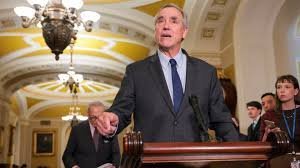
The Budget Battle: Why Senator Mike Lee is Blocking the Kennedy Center Bill
In a move that has sparked significant debate within the halls of the U.S. Senate, Senator Mike Lee has made headlines by blocking legislation related to the Kennedy Center. For those following federal spending and the intersection of politics and the arts, this maneuver is more than just a procedural hurdle—it is a statement on fiscal responsibility and government priorities.
The John F. Kennedy Center for the Performing Arts stands as a national monument to the arts, but for fiscal conservatives like Lee, it often represents a larger issue of government overreach and unnecessary expenditure.
The Core of the Conflict: Fiscal Responsibility vs. Cultural Funding
Senator Mike Lee is well-known for his commitment to constitutionalism and a lean federal budget. By blocking the Kennedy Center bill, Lee is highlighting a recurring theme in modern American politics: the debate over whether the federal government should be the primary financier of the arts.
The primary reasons driving this opposition typically include:
- n
- Budgetary Concerns: A push to reduce the national deficit by trimming perceived “non-essential” spending.
- Government Overreach: The belief that cultural institutions should rely more on private philanthropy than on taxpayer dollars.
- Legislative Scrutiny: Ensuring that any bill passing through the Senate is transparent and does not contain “pork-barrel” spending.
What is at Stake for the Kennedy Center?
The Kennedy Center serves as a hub for world-class performances and educational programs. A block on its funding or operational bills can lead to uncertainty regarding:
1. Operational Stability: Without consistent legislative approval, maintaining a facility of such magnitude becomes a logistical challenge.
2. Public Access: Funding cuts can potentially limit the availability of free or low-cost programs that bring the arts to diverse populations across the country.
3. Artistic Freedom: There is often a lingering concern that when the government controls the purse strings, it may eventually seek to influence the content of the art produced.
The Broader Impact on U.S. Politics
This clash is a microcosm of the larger ideological divide in Washington. While some see the arts as a vital part of the American identity that deserves federal protection, others view it as a luxury the current economy cannot afford. You can find more about the official roles and legislative processes on the official U.S. Senate website.
Final Thoughts: What Happens Next?
Whether the Kennedy Center bill eventually finds a path to approval or remains stalled depends on the ability of Senate leaders to negotiate a compromise. Senator Mike Lee’s actions serve as a reminder that every dollar spent by the federal government remains under intense scrutiny.
For more information on the institution itself and its mission, visit the Kennedy Center official site.



