
The High-Stakes Push for the SAVE America Act
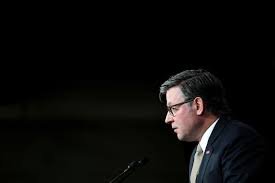
House Speaker Mike Johnson is stepping into the political spotlight with a decisive plan to advance President Donald Trump’s signature voter ID legislation. The goal? To push the SAVE America Act through the legislative gauntlet using the complex but powerful budget reconciliation process.
Coming off a period of internal friction within the GOP, Johnson is focused on unity and urgency. After sending lawmakers home early for the July Fourth celebrations to cool tensions, the Speaker has made it clear that securing the president’s priorities is now the top agenda for the House of Representatives.
The Strategy: Why Budget Reconciliation?
For those unfamiliar with the technicalities of Washington, budget reconciliation is a strategic tool that allows certain legislation to pass with a simple majority in both the House and the Senate. This is a critical maneuver because it effectively bypasses the 60-vote threshold required to overcome a filibuster in the Senate.
House GOP leaders are banking on this method for several reasons:
- n
- Efficiency: It avoids the gridlock typical of bipartisan negotiations in the Senate.
- Proven Track Record: The GOP has successfully used this process during Trump’s second term to fund immigration enforcement and pass domestic agenda laws.
- Alignment: It allows the party to pass the bill with only Republican votes in both chambers.
Internal Tensions and Senate Skepticism
Despite Johnson’s optimism, the path is not without obstacles. Senate Republicans remain skeptical. The Senate parliamentarian, Elizabeth MacDonough, has previously ruled that expansive voter ID bills might not comply with the strict rules governing what can be included in a budget framework.
Furthermore, Senate Majority Leader John Thune has resisted pressures to eliminate the filibuster or remove the parliamentarian, fearing that such a move could empower future Democratic-led Senates to push through their own priorities with ease.
What is at Stake in the SAVE America Act?
At its core, the legislation focuses on election security. Mike Johnson has emphasized that the primary focus will be on:
- Implementing strict new voter ID requirements.
- Requiring proof of citizenship for voting.
- Reducing fraud, waste, and abuse within the government.
While there have been calls to include restrictions on mail-in ballots and regulations regarding transgender athletes, Johnson suggests that the core voter ID requirements are the most “irresistible” and viable components for the budget process.
The Next Move: Linking Defense and Elections
In a strategic gambit, Speaker Johnson is considering linking the SAVE America Act to a must-pass bipartisan defense policy package. By attaching the election bill to the National Defense Authorization Act (NDAA), the House intends to ramp up pressure on the Senate to act.
Whether this bold approach will succeed or trigger a legislative collapse remains to be seen, but one thing is certain: Mike Johnson is determined to deliver a victory for the Trump administration’s vision of American elections.



