
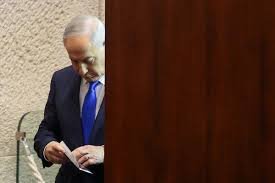
The Fragile Balance of Power in the Middle East: Netanyahu Under Fire
The geopolitical landscape of the Middle East is once again at a boiling point. In a move that has sparked intense political turmoil within Israel, Prime Minister Benjamin Netanyahu has come under heavy scrutiny after deciding to suspend planned military strikes against Iran. The catalyst for this decision? A high-stakes phone call with President Donald Trump.
According to multiple officials from both the U.S. and Israel, the order to halt the offensive came shortly after the two leaders spoke on Monday. While the move may be seen as a diplomatic alignment with the United States, critics within Israel argue that it signals a dangerous loss of national sovereignty.
A Leadership Vacuum? Political Rivals Strike Back
The decision has provided a golden opportunity for Netanyahu’s political opponents to challenge his leadership. With elections looming later this year, the narrative of a “leaderless” Israel is gaining traction.
- Gadi Eisenkot: The former chief of staff and current political contender launched a provocative social media campaign. Using a clip of President Trump stating, “He’ll do whatever I want him to do,” the ad explicitly claims that while the U.S. has a leader, Israel does not.
- Naftali Bennett: The former Prime Minister warned that this hesitation marks the beginning of a “normalizing reality” where Iran can carry out “drip-by-drip” attacks without facing a decisive response.
The Strategic Risk: From Iran to Hezbollah
The criticism isn’t coming solely from the opposition. Even within Netanyahu’s own Likud party, concerns are mounting. Dan Illouz, a member of Parliament, suggested that the Israeli government has effectively relinquished its ability to act decisively against regional threats.
A primary concern is the situation in Lebanon, where the Iran-backed Hezbollah militia continues to launch attacks. Critics argue that by refraining from striking strongholds like Dahiya in Beirut, Israel is losing its most potent offensive tool for deterrence, leaving smaller northern communities vulnerable to ongoing aggression.
What This Means for the Future of the Middle East
This incident highlights the complex interdependence between U.S. foreign policy and Israeli security. As the Middle East remains a powder keg, the tension between diplomatic cooperation with Washington and the necessity of independent military action continues to define the Israeli political struggle.
Whether this pause is a strategic masterstroke to avoid a full-scale war or a sign of political weakness remains to be seen, but one thing is certain: the upcoming elections will be a referendum on how Israel navigates its security in an increasingly volatile region.
Stay updated on the latest geopolitical shifts by following global news reports on the Middle East crisis.



