
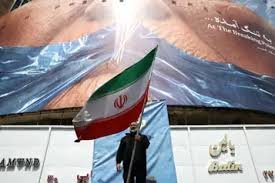
A Region on the Brink: The Fragile Balance of Power in the Middle East
The geopolitical landscape of the Middle East is currently navigating one of its most volatile periods in recent history. With the world watching closely, the tension between the United States and the Islamic Republic of Iran has reached a critical impasse, leaving global markets on edge and diplomatic channels strained.
Following a period of intense military friction—including Israeli-American strikes and Iranian retaliations—the situation has evolved into a psychological and diplomatic chess match. At the heart of the conflict is a stark choice presented by Tehran to the Trump administration: accept a diplomatic settlement or risk a military confrontation that Iran describes as “impossible” for the U.S. to win.
The 14-Point Plan: A Path to Peace or a Strategic Gambit?
In a surprising diplomatic move, Iran has transmitted a comprehensive 14-point peace plan to Washington via Pakistan. This proposal aims to resolve the conflict within a strict 30-day window. According to reports from the Tasnim News Agency, the primary demands from Tehran include:
- n
- Military Withdrawal: The removal of U.S. forces from areas adjacent to Iranian territory.
- Economic Relief: The lifting of the blockade on Iranian ports and the unfreezing of national assets.
- Sanctions Removal: A complete end to economic sanctions and the payment of reparations.
- Regional Stability: A cessation of hostilities on all fronts, including the ongoing conflict in Lebanon.
- Maritime Security: Establishing a new mechanism for the Strait of Hormuz.
Despite the detailed nature of the proposal, President Donald Trump has expressed deep skepticism. Speaking via Truth Social, the U.S. President suggested that Iran has not yet “paid a sufficient price” for its actions over the last 47 years, casting doubt on whether the plan will be accepted.
Escalation in Lebanon and the Shadow of Hezbollah
The conflict is not confined to the U.S.-Iran axis. In Southern Lebanon, the situation remains dire. Israel has issued urgent evacuation orders for several localities, designating them as “security zones” to counter the influence of the pro-Iranian Hezbollah. Recent airstrikes have resulted in multiple casualties, further complicating any hopes for a regional ceasefire.
For more detailed updates on regional security, you can follow the latest reports from Reuters Middle East News.
Global Economic Shockwaves: The Oil Factor
The instability in the Middle East is not just a political crisis; it is an economic one. The Strait of Hormuz, a vital artery for global energy, remains a focal point of tension. With Tehran controlling the strait and Washington imposing port blockades, oil prices have seen dramatic spikes, reaching levels not seen since 2022 (peaking at $126 per barrel).
This economic volatility puts immense pressure on the global supply chain and contributes to inflation worldwide, making the resolution of this conflict a priority for international trade organizations.
Conclusion: Diplomacy or Destruction?
As the U.S. approaches critical mid-term elections, the pressure on the White House to find an exit strategy is mounting. Meanwhile, Iran continues to project strength, with military advisors warning that U.S. aircraft carriers could face severe risks if diplomacy fails.
Whether the current 14-point proposal serves as a genuine bridge to peace or merely a delaying tactic remains to be seen. However, one thing is certain: the stability of the global economy and the safety of millions depend on the decisions made in the coming weeks.
Stay informed on international law and conflict resolution via the United Nations official portal.



