
Mexico–United States Border Wall: A Deep Dive
The Mexico–United States border wall, a highly debated and controversial infrastructure project, has been a central topic in political discourse for decades. Its origins, evolution, and impact are multifaceted, extending far beyond simple physical barriers. This article provides a comprehensive overview of the wall, examining its history, construction, costs, environmental consequences, and the ongoing debates surrounding its effectiveness and ethical implications.
A History of Border Barriers
While the current focus on a continuous wall is relatively recent, border barriers between the US and Mexico have existed in various forms for over a century. Early iterations were primarily fences designed to control cattle and prevent smuggling. The Immigration Reform and Control Act of 1986 led to the initial construction of significant fencing in urban areas like San Diego and El Paso. However, the scale and ambition of these early barriers pale in comparison to the proposals and construction undertaken in the 21st century.
The Rise of the Wall: Political Motivations and Promises
The modern push for a substantial border wall gained momentum during the presidency of Donald Trump, who made it a cornerstone of his 2016 campaign. The stated goals were to curb illegal immigration, combat drug trafficking, and enhance national security. Promises were made that Mexico would fund the construction, a claim that ultimately proved untrue. The project quickly became a symbol of stricter immigration policies and sparked intense political polarization.
Construction and Materials
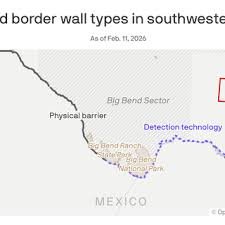
Construction of the wall has involved a variety of materials, including steel bollards, concrete, and existing natural barriers. Different sections of the border have seen varying approaches, dictated by terrain, cost considerations, and legal challenges. The use of private contractors and the waiving of environmental regulations further fueled controversy. As of late 2023, approximately 800 miles of barrier systems have been constructed, though this includes replacing existing fencing and utilizing natural features. You can find more information on the current status from the U.S. Customs and Border Protection website.
The Financial Cost
The cost of the border wall has been a subject of intense scrutiny. Estimates vary widely, but the project has already cost billions of dollars. Funding has come from a combination of congressional appropriations, diverted military funds, and private donations. Critics argue that the money could be better spent on more effective border security measures, such as technology and personnel. A detailed analysis of the costs can be found at The Government Accountability Office.
Environmental Impact
The construction of the wall has significant environmental consequences. It disrupts wildlife corridors, fragments habitats, and can impede the natural movement of animals. The wall also impacts water resources and can contribute to erosion. Environmental groups have filed lawsuits challenging the project on these grounds. The National Park Service has documented some of these impacts along the border.
Controversies and Legal Challenges
The border wall has faced numerous legal challenges from landowners, environmental groups, and civil rights organizations. These challenges have focused on issues such as eminent domain, environmental regulations, and the legality of diverting funds from other government programs. The project has also been criticized for its impact on indigenous communities and its potential to exacerbate humanitarian crises.
The Future of the Wall
The future of the Mexico–United States border wall remains uncertain. The Biden administration halted new construction, but existing barriers remain in place. The debate over border security and immigration policy continues, and the wall is likely to remain a contentious issue for years to come. Further developments and policy changes will undoubtedly shape the wall’s ultimate fate.



