
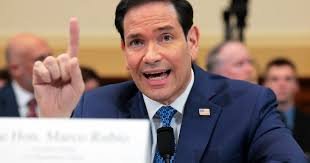
The Evolution of American Diplomacy: Understanding Marco Rubio’s Influence
In the ever-shifting landscape of global politics, few figures have garnered as much attention recently as Marco Rubio. As a prominent voice in the US Senate and a key architect of modern Republican foreign policy, Rubio’s trajectory offers a glimpse into the future of how the United States intends to engage with the world.
From his hardline stance on systemic rivals to his deep understanding of Latin American dynamics, Rubio represents a strategic shift toward a more assertive and ideological approach to international relations.
Who is Marco Rubio?
Marco Rubio is not just a politician; he is a strategist who has spent years shaping the narrative of American exceptionalism. Representing Florida, Rubio has positioned himself as a hawk on foreign policy, particularly concerning the influence of adversarial regimes. His career has been defined by a commitment to promoting democracy and countering the expansion of authoritarianism worldwide.
Key Pillars of Rubio’s Foreign Policy Vision
To understand the potential impact of Marco Rubio on the global stage, one must look at the core tenets of his political philosophy:
- Countering China: Rubio has been one of the most vocal critics of the Chinese Communist Party, advocating for economic decoupling in critical sectors and a stronger military presence in the Indo-Pacific.
- Focus on Latin America: Leveraging his heritage and political base, he emphasizes a proactive approach to Cuba, Venezuela, and Nicaragua, pushing for regimes that respect human rights.
- Strategic Alliances: While favoring a “America First” framework, Rubio recognizes the necessity of strong bilateral ties with key allies to maintain global stability.
What This Means for US-Canada Relations
For Canadians, the influence of figures like Marco Rubio suggests a focus on enhanced security cooperation and a shared front against global threats. While trade remains a point of negotiation, the alignment on national security and the stability of North America remains a priority. A Rubio-influenced policy likely means a more synchronized effort in monitoring cross-border threats and managing the complexities of the USMCA agreement.
The Road Ahead: Challenges and Opportunities
The transition toward a more confrontational foreign policy is not without its risks. The challenge for any diplomat following Rubio’s blueprint is balancing strength with diplomacy to avoid unnecessary escalations. However, proponents argue that this clarity of purpose is exactly what is needed to navigate the volatile geopolitics of the 21st century.
For more detailed insights into official US legislative actions, you can visit the Official U.S. Senate website to track current foreign policy bills and committee hearings.



