
Mail-In Ballots and the Supreme Court: The Legal Tug-of-War Over US Voting Rights
In recent years, the method by which Americans cast their votes has become a central point of legal and political contention. At the heart of this debate are mail-in ballots, a system that expanded rapidly during the 2020 pandemic but has since faced intense scrutiny. As states implement diverging rules, the Supreme Court often serves as the final arbiter, balancing the scales between voter accessibility and election security.
Why Mail-In Ballots Are a Legal Flashpoint
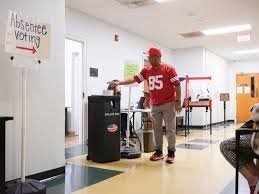
Mail-in voting, also known as absentee voting, allows citizens to vote without visiting a polling station. While proponents argue that it increases voter turnout and makes democracy more inclusive, critics raise concerns regarding potential fraud and the integrity of the counting process.
These conflicting viewpoints have led to a surge of lawsuits across various states, eventually landing on the docket of the Supreme Court of the United States. The legal arguments generally split into two main camps:
- n
- Accessibility: The belief that restrictive mail-in laws disproportionately affect the elderly, disabled, and working-class voters.
- Integrity: The argument that strict deadlines and signature verification are essential to prevent illegal voting.
The Role of the Supreme Court in Election Law
The Supreme Court does not write election laws—that is the responsibility of state legislatures. However, the Court decides whether those laws violate the US Constitution or the Voting Rights Act.
Recent rulings have highlighted a complex judicial philosophy. In some instances, the Court has deferred to state legislatures’ authority to set the “Times, Places and Manner” of elections. In others, it has had to intervene when state rules were changed too close to an election date, potentially causing voter confusion.
Key Areas of Legal Contention
When the Supreme Court reviews cases involving mail-in ballots, several recurring themes emerge:
1. Signature Verification and “Curing”
Many lawsuits center on whether voters should be given a chance to “cure” (fix) a missing or mismatched signature on their ballot envelope before the vote is discarded.
2. Receipt Deadlines
A major point of debate is whether ballots must be received by Election Day or merely postmarked by that date. This distinction can lead to thousands of votes being invalidated depending on postal delays.
3. Third-Party Ballot Collection
Also known as “ballot harvesting,” the practice of third parties collecting and submitting ballots has been a primary target for restrictive legislation, leading to intense legal battles over the definition of “authorized” assistants.
What This Means for the Future of US Democracy
The decisions made by the Supreme Court regarding mail-in ballots do more than just settle current disputes; they set precedents for future elections. As we move toward an era of increasingly polarized politics, the tension between maximizing participation and ensuring security will continue to be a defining characteristic of the American electoral system.
For voters, the most important takeaway is to stay informed about their specific state laws, as the legal landscape can shift rapidly due to a single judicial opinion.



