
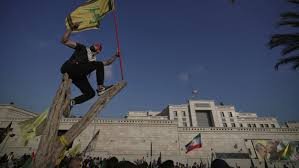
Lebanon, a nation steeped in history and resilience, continues to navigate a complex landscape of political, economic, and social challenges. Situated in the heart of the Middle East, this small country boasts a vibrant culture, stunning landscapes, and a strategic geopolitical position. This article delves into the current events, historical context, and potential future outlook for Lebanon.
A Historical Overview of Lebanon
Lebanon’s history is a tapestry woven with threads of Phoenician seafaring, Roman rule, Ottoman governance, and French mandate. The Phoenicians, renowned for their maritime prowess and the invention of the alphabet, established thriving city-states along the Lebanese coast millennia ago. Later, Lebanon became a significant province within the Roman Empire. Following centuries under various empires, including the Ottomans, Lebanon gained independence in 1943. However, this independence was soon followed by decades of civil war (1975-1990), a period marked by sectarian violence and external interference. Understanding this turbulent past is crucial to comprehending the present-day challenges facing the nation. You can learn more about Lebanon’s ancient history at UNESCO’s World Heritage Site page for Lebanon.
Current Events and Challenges (February 2026)
As of February 2026, Lebanon is grappling with a severe economic crisis, widely considered one of the worst in modern history. The Lebanese pound has lost over 90% of its value, leading to hyperinflation and widespread poverty. The 2020 Beirut port explosion exacerbated these issues, causing immense damage and loss of life. Political instability, corruption, and a lack of effective governance continue to hinder recovery efforts. The country also faces ongoing challenges related to the influx of Syrian refugees and regional geopolitical tensions. Recent reports from The World Bank highlight the urgent need for structural reforms and international assistance.
The Beirut Port Explosion: A Turning Point
The devastating explosion at the Port of Beirut on August 4, 2020, remains a pivotal moment in Lebanon’s recent history. The blast, caused by the improper storage of ammonium nitrate, resulted in over 200 deaths, thousands of injuries, and widespread destruction. The event exposed deep-seated issues of negligence, corruption, and systemic failures within the Lebanese government. The aftermath continues to impact the country, with ongoing investigations and calls for accountability. The Human Rights Watch provides detailed reporting on the explosion and its consequences: Human Rights Watch – Lebanon.
Looking Ahead: The Future of Lebanon
The future of Lebanon remains uncertain. Addressing the economic crisis requires comprehensive reforms, including tackling corruption, restructuring the banking sector, and implementing sustainable fiscal policies. Political stability is essential for attracting investment and fostering economic growth. International support is crucial, but it must be coupled with genuine commitment from Lebanese leaders to enact meaningful change. Despite the immense challenges, the Lebanese people have demonstrated remarkable resilience and a strong desire for a better future. The path forward will require unity, determination, and a commitment to building a more just and prosperous Lebanon. Further analysis can be found at the Council on Foreign Relations: Council on Foreign Relations – Lebanon.



