
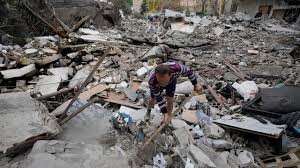
Lebanon, a nation steeped in history and renowned for its breathtaking landscapes, finds itself at a critical juncture. For decades, this small Mediterranean country has navigated a complex web of political instability, economic hardship, and regional conflicts. Understanding Lebanon requires delving into its rich past, acknowledging its present struggles, and cautiously considering its future prospects.
A Historical Tapestry: From Ancient Phoenicia to Modern Lebanon
The land of Lebanon boasts a history stretching back millennia, serving as a cradle of civilization for the ancient Phoenicians – master seafarers and traders who established colonies across the Mediterranean. Successive empires, including the Romans, Byzantines, Arabs, and Ottomans, have left their mark on the region, shaping its cultural and religious diversity. Following World War I and the collapse of the Ottoman Empire, Lebanon gained independence in 1943, but its path to stability was far from assured.
The country’s unique political system, designed to ensure representation for its various religious sects (Maronite Christians, Sunni and Shia Muslims, Druze, and others), has often been a source of both strength and weakness. While intended to foster inclusivity, it has frequently led to political paralysis and sectarian tensions. The 1975-1990 Lebanese Civil War, a brutal conflict fueled by internal divisions and external interference, devastated the country and left deep scars that continue to impact Lebanon today. You can learn more about the historical context at Britannica’s Lebanon page.
The Current Crisis: A Multifaceted Collapse
Today, Lebanon is grappling with one of the worst economic crises in modern history. The collapse began in late 2019, triggered by a combination of factors including unsustainable debt, a dwindling foreign currency reserve, and widespread corruption. The Beirut port explosion in August 2020, a catastrophic event caused by the negligent storage of ammonium nitrate, further exacerbated the crisis, destroying vital infrastructure and claiming hundreds of lives.
- Economic Devastation: The Lebanese pound has lost over 90% of its value, leading to hyperinflation and widespread poverty.
- Political Paralysis: Political infighting and a lack of consensus have hindered efforts to implement necessary reforms.
- Social Unrest: Protests have erupted across the country, fueled by anger over corruption, economic hardship, and the government’s perceived inaction.
- Humanitarian Crisis: A significant portion of the population now lacks access to basic necessities such as food, medicine, and clean water.
The World Bank has described Lebanon’s crisis as one of the three most severe economic collapses globally since the mid-19th century. The situation is further complicated by regional geopolitical dynamics and the presence of Hezbollah, a powerful Shia political and military organization. For detailed analysis of the economic situation, see the World Bank’s Lebanon page.
Looking Ahead: Pathways to Recovery and Resilience
The path to recovery for Lebanon is fraught with challenges, but not insurmountable. Key steps towards stabilization include:
- Political Reform: Addressing corruption, strengthening governance, and fostering a more inclusive political system are crucial.
- Economic Restructuring: Implementing fiscal reforms, restructuring the banking sector, and attracting foreign investment are essential.
- International Assistance: Lebanon needs significant financial and humanitarian aid from the international community.
- Social Safety Nets: Providing support to vulnerable populations is vital to mitigate the impact of the crisis.
Despite the immense challenges, the Lebanese people have demonstrated remarkable resilience and a strong desire for a better future. Civil society organizations are playing a vital role in providing assistance and advocating for change. The future of Lebanon hinges on the ability of its leaders to overcome their differences, prioritize the needs of the country, and embrace a path of reform and reconciliation. The International Crisis Group offers insightful reports on the political landscape: International Crisis Group – Lebanon.



