
Escalating Tensions in the Middle East: Latest Updates
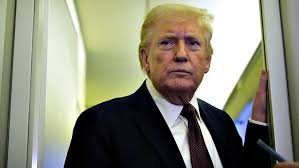
The geopolitical landscape is rapidly shifting as U.S.-Israeli strikes continue to target Iran, sparking fears of a global energy crisis. President Donald Trump has indicated that while Iran’s military capabilities have been significantly weakened, the situation remains fluid.
Impact on Global Energy Markets
The conflict is sending ripples through global energy markets, particularly impacting the security of the Strait of Hormuz – a critical choke point for oil transport. President Trump has reached out to approximately seven countries seeking military support to maintain open access to the strait, though the extent of commitments remains unclear. The U.S. average for retail diesel prices has exceeded $5 a gallon for only the second time ever, according to fuel markets tracker GasBuddy, reflecting the strain on supply chains.
Iran’s Response and Regional Instability
Despite international pressure, Iranian Foreign Minister Abbas Araghchi has stated that Iran is not seeking a truce or negotiations, dismissing claims of a potential negotiated end to the conflict as “delusional.” Iran and its proxies have launched attacks across the Middle East, targeting Israel with ballistic missiles, striking a hotel in Baghdad, and causing disruptions at Dubai International Airport. Recent reports indicate rocket and drone attacks on the U.S. embassy in Baghdad, marking the most intense barrage since the start of the conflict.
Economic Repercussions and Global Concerns
Beyond the immediate conflict zone, the situation is impacting global economies. Goldman Sachs analysts predict that the conflict could reduce global economic growth by 0.3% and increase inflation by 0.5 to 0.6 percentage points over the next year. Disruptions to diesel supply chains, with Iran potentially blocking the Strait of Hormuz (which handles 10-20% of global diesel supplies), are a major concern. Gasoline prices in the U.S. have also risen to their highest levels since October 2023.
International Response and Military Deployments
The United Kingdom Maritime Trade Operations reported a tanker struck by an unknown projectile near Fujairah in the United Arab Emirates. The U.S. military is deploying additional forces to the Middle East, including approximately 5,000 sailors and Marines aboard the USS Tripoli. U.S. Central Command (CENTCOM) has shared footage of flight operations aboard a U.S. aircraft carrier, demonstrating its military readiness. CENTCOM has also refuted claims by Iran’s Islamic Revolutionary Guard Corps regarding the destruction of U.S. fighter jets.
Political Developments and Negotiations
Reports suggest a direct communication channel between the U.S. and Iran has been reactivated, with President Trump indicating that Iranian officials are seeking negotiations. However, Trump also stated that the U.S. has eliminated key Iranian leaders and is prepared to take further action if necessary. German Chancellor Friedrich Merz has stated that Germany will not participate in military efforts to secure the Strait of Hormuz, emphasizing that the conflict is not a matter for NATO.
Emerging Threats and Regional Dynamics
Intelligence reports indicate a new terrorist group with suspected links to the Iranian regime has emerged in Europe, claiming responsibility for attacks on Jewish targets. Additionally, concerns are growing about Hamas reasserting control in Gaza amidst the ongoing conflict. The situation remains highly volatile, with ongoing strikes and counter-strikes shaping the future of the region.
Sources: Fox News, Reuters, GasBuddy, Goldman Sachs



