
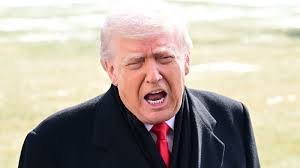
Late-Night Threats: Trump Escalates Iran Conflict with Alarming Rhetoric
Former President Donald Trump has ignited fresh concerns with a series of escalating threats against Iran, delivered through late-night posts on his Truth Social platform. These pronouncements, which include targeting critical infrastructure like bridges and power plants, have drawn condemnation and raised fears of potential war crimes.
Escalating Rhetoric and Direct Threats
The 79-year-old former president asserted that the U.S. military, which he described as “the greatest and most powerful,” had “hasn’t even started destroying what’s left in Iran.” He specifically called for the destruction of bridges and electric power plants, demanding “New Regime leadership” to act “FAST!” This follows a previous post warning Iran to strike a deal “BEFORE IT IS TOO LATE, AND THERE IS NOTHING LEFT OF WHAT STILL COULD BECOME A GREAT COUNTRY!”
Trump accompanied these statements with a video showcasing U.S. airstrikes on a bridge connecting Tehran and Karaj, boasting, “The biggest bridge in Iran comes tumbling down, never to be used again. Much more to follow!”
Concerns Over War Crimes and International Law
These threats have prompted a strong response from international law experts. Dozens have signed an open letter expressing concern that U.S. strikes on Iran, particularly those targeting civilian infrastructure without a clear military objective, could constitute war crimes. The letter references Trump’s past comments suggesting attacks “just for fun,” as well as statements from Defense Secretary Pete Hegseth downplaying the importance of adhering to established rules of engagement. Trump’s own declaration in January that “I don’t need international law” further fuels these anxieties.
A History of Pressure and Arbitrary Deadlines
Trump’s aggressive rhetoric towards Iran is not new. He has consistently employed a pressure campaign aimed at forcing Tehran to reopen the Strait of Hormuz, a vital shipping lane through which approximately 20% of the world’s oil supply passes. This has included threats of “obliteration” of Iran’s energy infrastructure, coupled with frequently shifting deadlines for compliance.
Recently, Trump briefly paused threats to Iran’s energy infrastructure, issuing a new 10-day deadline that expired after April 6th. During a recent address, Trump offered vague updates on the conflict, suggesting a swift resolution without providing a concrete plan.
Economic Impact and Domestic Political Fallout
The escalating conflict is already having a significant economic impact. The closure of the Strait of Hormuz has driven oil prices above $100 a barrel, leading to soaring gas prices across the U.S. A recent CNN/SSRS poll revealed that only 31% of Americans approve of Trump’s handling of the economy – his lowest rating to date – as millions struggle with the rising cost of living. CNN provides further details on this economic downturn.
The situation is becoming increasingly politically damaging for Trump, potentially impacting Republicans in upcoming elections. The Daily Beast has reached out to the White House and the Pentagon for comment.
Further Reading
For more in-depth analysis, consider exploring resources from The Council on Foreign Relations regarding the geopolitical complexities of the Iran conflict.



