
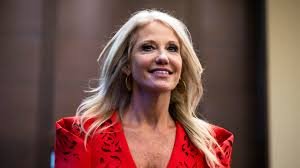
The Divide in American Politics: Kellyanne Conway Weighs In
The recent Democratic primary results have sparked a heated debate across the political spectrum. While several progressive and socialist candidates secured high-profile victories, former Trump White House counselor and seasoned political strategist Kellyanne Conway believes these results are more about geography than a national ideological shift.
Speaking on the current political climate, Conway argued that while “anti-American” messages might resonate in specific, highly curated districts, they are unlikely to gain traction on a broader scale. According to her, the values championed by the far-left wing of the Democratic Party are out of sync with the general American electorate.
Localized Victories vs. National Sentiment
The surge of socialist nominees in regions like New York has led many to wonder if the Democratic Party is pivoting further left ahead of the 2026 midterm elections. However, Conway maintains that these wins are jurisdictional rather than systemic.
Key takeaways from Conway’s analysis include:
- n
- Niche Appeal: Progressive victories are often confined to districts with specific demographic leans.
- Value Misalignment: The rhetoric used by some winning candidates does not align with the core values of the majority of US citizens.
- Limited Scalability: What works in a primary in a liberal stronghold rarely translates to a general election victory.
The Patriotism Gap: A Defining Issue?
One of the most striking points raised by Kellyanne Conway involves the stark contrast in patriotism between the two major parties. Citing a recent poll, Conway expressed concern over the findings: 90% of Republicans report being extremely or very proud to be American, compared to just 29% of Democrats.
This disparity, Conway suggests, reinforces the idea that the activist wing of the Democratic Party is increasingly disconnected from the average voter. For many, patriotism remains a non-negotiable value that will heavily influence voter behavior in the upcoming midterms. You can learn more about the importance of voter demographics and trends through the Federal Election Commission (FEC).
Historical Context and Personal Turns
Conway shared these insights during a ceremony commemorating the nation’s upcoming 250th anniversary, an event centered around the creation of a historical time capsule. The juxtaposition of celebrating America’s longevity while discussing political fragmentation highlighted the current tension in the US social fabric.
On a more personal note, the discussion also touched upon the political defeat of her ex-husband, George Conway. The anti-Trump conservative attorney lost his bid to replace Rep. Jerry Nadler in New York. When asked if she was surprised by the result, Kellyanne Conway was blunt: “Not at all.”
Conclusion: What This Means for 2026
As the road to the 2026 midterms unfolds, the central question remains: will the Democratic Party embrace its progressive wing or pivot back toward the center to capture the national mood? For Kellyanne Conway, the answer is clear—national success requires a message that resonates with the patriotism and values of the broader American public, not just a few curated districts.



