
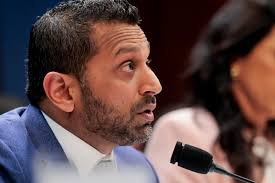
Kash Patel and the FBI: A New Era of Intelligence Reform or Systematic Upheaval?
The intersection of politics and intelligence has always been a flashpoint of tension, but few names spark as much debate as Kash Patel. As discussions swirl around the future of the FBI and the broader US intelligence community, Patel has emerged as a central figure in the narrative of “cleaning house” within the federal government.
But who is Kash Patel, and why is his potential influence over the FBI causing such a stir among policymakers and legal experts?
Who is Kash Patel?
Kash Patel is a former Trump administration official who has held several high-level positions, including serving as the chief of staff to the Acting Secretary of Defense. Known for his fierce loyalty to Donald Trump and his deep skepticism of the “Deep State,” Patel has positioned himself as a whistleblower-defender and a critic of how federal agencies operate.
His history is marked by a relentless pursuit of what he describes as transparency and accountability within the Department of Justice (DOJ) and the intelligence apparatus.
The Vision for FBI Reform
The conversation surrounding Kash Patel and the FBI usually centers on a singular goal: systemic reform. Patel has frequently argued that the FBI has been weaponized for political purposes. His proposed approach to the bureau typically includes:
- n
- Personnel Overhauls: Removing leadership that he believes is ideologically biased.
- Increased Oversight: Implementing stricter checks on how surveillance and investigations are initiated.
- Declassification of Documents: Pushing for the release of intelligence files to provide public clarity on controversial investigations.
Why This Matters for Global Security
While the debate often feels like an internal US political battle, the implications extend far beyond Washington D.C. The FBI is a cornerstone of international counter-terrorism and cyber-defense. Any significant shift in its leadership or operational philosophy could alter how the US collaborates with international partners, including those in the Five Eyes intelligence alliance.
For those advocating for these changes, it is a necessary step toward restoring faith in government. For critics, it represents a risk to the independence of law enforcement.
Potential Challenges and Controversies
The path to reforming a massive agency like the FBI is fraught with legal and bureaucratic hurdles. Any attempt to pivot the agency’s direction would likely face resistance from career civil servants and could lead to protracted legal battles over the scope of executive power.
To understand the legal framework governing these agencies, it is helpful to review the official FBI mission statement and the guidelines set by the U.S. Department of Justice.
Final Thoughts: A Turning Point?
Whether you view him as a reformer or a disruptor, Kash Patel’s relationship with the FBI symbolizes a larger struggle over the nature of power in the 21st century. As we move forward, the question remains: can the intelligence community be “fixed” from the top down, or is the friction between political appointees and career officials an inevitable part of the democratic process?
Stay tuned as we continue to monitor the developments regarding US intelligence and government reform.



