
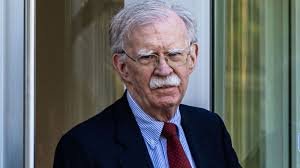
John Bolton: The Controversial Legacy of a Foreign Policy Hawk
In the realm of international diplomacy and national security, few names evoke as much debate as John Bolton. Known for his unwavering commitment to a “hawk” foreign policy, Bolton has spent decades shaping the way the United States interacts with perceived global adversaries. From his time as the U.S. Ambassador to the United Nations to his tenure as National Security Advisor, his approach has always been clear: strength, sovereignty, and a skepticism of multilateral agreements.
A Career Defined by Hardline Diplomacy
John Bolton’s professional trajectory is marked by a consistent preference for unilateral action over diplomatic compromise. His philosophy centers on the belief that the United States should maintain absolute freedom of action to protect its interests and those of its allies.
Throughout his career, Bolton has been a central figure in several key geopolitical flashpoints, including:
- n
- The United Nations: His tenure was characterized by a critical view of the UN’s effectiveness, often arguing that the organization hindered rather than helped U.S. objectives.
- Iranian Nuclear Ambitions: Bolton has long been one of the most vocal critics of the Iranian government, advocating for a policy of “maximum pressure.”
- North Korean Relations: He consistently pushed for a harder line against the Pyongyang regime to ensure total denuclearization.
The Friction with the Trump Administration
Perhaps the most publicized chapter of Bolton’s career was his time as the National Security Advisor under President Donald Trump. While both shared a desire to disrupt the status quo, their visions for foreign policy often clashed. Bolton’s preference for strategic escalation frequently bumped against Trump’s desire for direct personal diplomacy with world leaders.
This tension culminated in a high-profile departure and the subsequent release of his memoir, which detailed the internal workings of the White House. This period highlighted the inherent struggle between institutional foreign policy expertise and the unpredictable nature of populist leadership.
The Enduring Influence of Bolton’s Ideology
Whether viewed as a principled defender of American sovereignty or a provocateur of international conflict, John Bolton’s influence on the geopolitical landscape is undeniable. His arguments continue to resonate within conservative circles and serve as a blueprint for those who believe that peace is only achievable through overwhelming strength.
Key Takeaways of the Bolton Approach:
- Sovereignty First: The belief that national interests supersede international treaties.
- Strategic Skepticism: A deep distrust of diplomatic assurances from adversarial regimes.
- Proactive Defense: The advocacy for preemptive actions to neutralize threats before they materialize.
As the world navigates a new era of great-power competition, the debates sparked by John Bolton’s career remain more relevant than ever, forcing a critical examination of how the U.S. should balance diplomacy with deterrence.



