
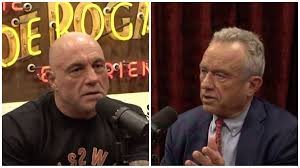
Joe Rogan Experience: A Deep Dive into Controversy
The Joe Rogan Experience continues to be a platform for provocative discussions, and a recent episode featuring Robert F. Kennedy Jr. sparked significant debate. The conversation centered around the Trump administration’s immigration policies, the protests that followed, and the role of the media in shaping public perception.
RFK Jr.’s Perspective on Immigration and Protests
When questioned about the Trump administration’s controversial immigration crackdowns, Robert F. Kennedy Jr. surprisingly placed some of the blame on the press, accusing them of fueling “Trump derangement syndrome.” He acknowledged the “very disturbing” scenes that emerged from Minneapolis last month, specifically referencing the deaths of two American citizens at the hands of federal agents. However, rather than criticizing the administration directly, Kennedy pointed fingers at the media and “Democrats,” suggesting they were actively encouraging protesters to interfere with law enforcement.
“The thing that makes it most disturbing is because there’s so much interaction with protesters, which is weird that the Democrats are telling protesters to go out there and stop law enforcement from doing its job,” Kennedy stated to Joe Rogan. He argued that such interference inevitably leads to dangerous confrontations and potential tragedies. He drew a parallel to disrupting a drug bust, suggesting that interfering with law enforcement operations is inherently risky.
Media Bias and the Amplification of Outrage
Kennedy further claimed that the media’s tendency to amplify negative narratives surrounding the Trump administration contributed to the escalation of public outrage. He asserted that the press’s focus on “Trump derangement syndrome” created a climate of hostility and set the stage for conflict. He pointed to the deaths of ICU nurse Alex Pretti and unarmed mother Renee Good, both shot by federal immigration agents, as examples of incidents that were sensationalized by the media.
Historical Context: Deportation Policies Under Obama and Biden
The conversation took a historical turn when Kennedy pointed out that President Obama actually deported more people than President Trump – the highest number in history. He lamented the lack of attention given to this fact, contrasting it with the intense scrutiny faced by the Trump administration. He also claimed that 76 people were shot during the deportation process under the Biden administration, with approximately half resulting in fatalities, yet these incidents received minimal media coverage.
“About half of those people were killed. None of it made the news. Now, because it’s Trump doing it, you have the entire Democratic Party and the media establishment saying, ‘Oh, look at the horrible things. He’s a dictator.’ But he’s doing what he promised to do to the American people,” Kennedy argued.
Joe Rogan’s Concerns About Organized Protests
Joe Rogan, known for his own independent analysis, echoed Kennedy’s sentiment that some of the scenes were disturbing. However, he also expressed concern about the organization and funding of protests. Rogan questioned the legality of paying individuals to protest and highlighted the existence of organized groups providing protesters with signs and instructions.
“These protests are organized and paid for, and that’s crazy, right?” Rogan pondered. “When you find that out, and you find out that people can actually be paid to protest, and that they provide them with signs—they tell them what they do. It’s organized. They have Signal chats.”
The Debate Over Paid Protesters
The idea of paid protesters has been a recurring theme within conservative circles. Following the shooting of Renee Good, FBI Director Kash Patel announced a probe into the funding sources of anti-ICE protests. Trump himself repeatedly claimed that protesters in Minneapolis were paid agitators, claims that were later debunked by Politifact. Politifact’s analysis provides a detailed examination of these claims.
The Joe Rogan Experience continues to provide a platform for diverse perspectives and challenging conversations, sparking debate and prompting viewers to question established narratives.



