
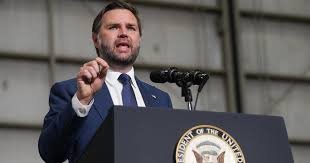
JD Vance Sparks Controversy: Accusations of Israeli Influence on US-Iran Peace Deal
In a move that has sent shockwaves through the diplomatic community, US Vice President JD Vance has leveled serious accusations against members of the Israeli government. During a high-profile appearance on the Joe Rogan Experience, Vance claimed that efforts were made to manipulate American public opinion to sabotage a diplomatic deal intended to end the conflict with Iran.
The Alleged Influence Campaign
Vance did not mince words during his interview, suggesting that a well-funded effort was orchestrated to shift US policy away from peace negotiations. He specifically pointed to a “foreign influence campaign” designed to tank the very deal he was pursuing.
To support his claims, Vance referenced a recent report by Time Magazine, which detailed how a former Trump campaign manager was allegedly hired on behalf of Israel to run a digital campaign. According to Vance, this operation was intended to keep the military campaign active by manipulating the American political landscape.
“There are some people within their system that we know beyond a shadow of a doubt that are manipulating and trying to change American public opinion to keep the war going on indefinitely,” Vance stated.
Targeting the MAGA Base
Analysts suggest that the choice of platform—Joe Rogan’s podcast—was a strategic move. Rogan is widely recognized as a pivotal voice for young men within the MAGA (Make America Great Again) base, a demographic that is increasingly divided over the United States’ approach to Israel.
By speaking directly to this audience, Vance is navigating a complex internal political rift, attempting to justify diplomatic outreach to Iran while maintaining his standing with a base that historically views strong military action as a priority.
Unprecedented Diplomatic Tension
The fallout from these remarks has been immediate. Alon Pinkas, a former Israeli diplomat and current columnist, described Vance’s comments as “unprecedented.” Pinkas noted that while friction between the US and Israel is not new, it is virtually unheard of for a sitting Vice President to openly accuse a close ally of running a campaign to undermine American policy.
Key points of the growing rift include:
- Policy Divergence: Significant disagreement over the interim peace agreement with Iran.
- Financial Tension: Vance’s previous reminders that the US provides billions in military aid to Israel.
- Personal Attacks: Vance claimed he has faced “vicious” personal attacks for his diplomatic efforts.
Further Revelations: The Epstein Connection
Adding another layer of controversy to the discussion, Vance touched upon the legacy of the late Jeffrey Epstein. He suggested that Epstein possessed unspecified high-level connections to both US and Israeli intelligence agencies, further complicating the narrative of intelligence sharing and influence between the two nations.
What This Means for the Future
As the US continues to navigate its role in the Middle East, the public disagreements between JD Vance and Israeli officials signal a potential shift in how the US manages its alliances. Whether these remarks reflect a broader change in administration strategy or a personal political maneuver remains to be seen.
For more updates on international relations and US foreign policy, stay tuned to high-authority sources like Reuters for real-time geopolitical analysis.



