
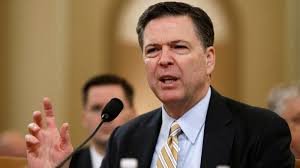
Understanding the Legacy of James Comey
Few figures in recent American history have sparked as much debate and polarization as James Comey. As the former Director of the Federal Bureau of Investigation (FBI), Comey found himself at the intersection of law enforcement and high-stakes political warfare, making him a central figure in some of the most scrutinized events of the 21st century.
From his commitment to the “rule of law” to the decisions that critics claim shifted the course of democratic elections, Comey’s career serves as a case study in the challenges of leading a non-partisan agency in a deeply divided political climate.
The Rise to Power and the FBI Directorship
James Comey didn’t just stumble into the spotlight; he had a distinguished career as a federal prosecutor. His appointment as FBI Director was seen as a move toward stability and integrity. During his tenure, he was tasked with overseeing one of the most powerful law enforcement agencies in the world, the FBI, ensuring national security and upholding federal laws.
Key Milestones of His Tenure:
- National Security Oversight: Managing counter-terrorism efforts and cyber-security threats.
- The 2016 Email Investigation: His decision regarding Hillary Clinton’s private email server became a flashpoint of political controversy.
- The Russia Investigation: Overseeing the initial probes into Russian interference in the U.S. elections.
The Clash with the Executive Branch
The defining moment of Comey’s career was undoubtedly his tumultuous relationship with the Trump administration. The tension culminated in his abrupt firing in 2017, an event that triggered the appointment of a Special Counsel and led to years of legal battles and congressional testimonies.
Comey argued that his actions were necessary to protect the independence of the FBI. Conversely, his critics argued that he overstepped his bounds, acting more like a political operative than a neutral director. This clash highlighted the fragile balance between executive power and judicial independence.
Life After the Bureau: Author and Public Figure
Since leaving the FBI, James Comey has transitioned from a government official to a public intellectual and author. Through his memoirs and public speaking, he has attempted to provide context to his decisions, emphasizing the burden of leadership and the necessity of institutional integrity.
His reflections often touch upon the importance of the “deep state” (a term often used pejoratively by his opponents) as a necessary bulwark of professional civil servants who keep the government functioning regardless of who is in the White House.
Final Thoughts: A Polarizing Figure
Whether viewed as a principled defender of the law or a catalyst for political chaos, James Comey’s influence is undeniable. His story reminds us that in the realm of high-level government, the line between justice and politics is often thinner than we would like to believe.
For more detailed archives on federal investigations and political history, visiting reputable sources like the BBC News can provide broader international perspectives on these events.



